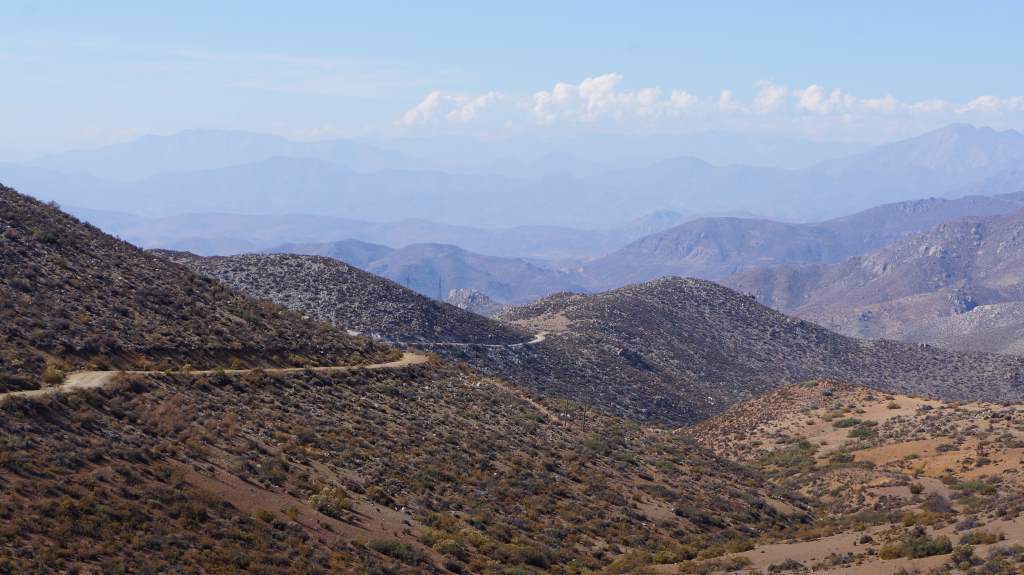
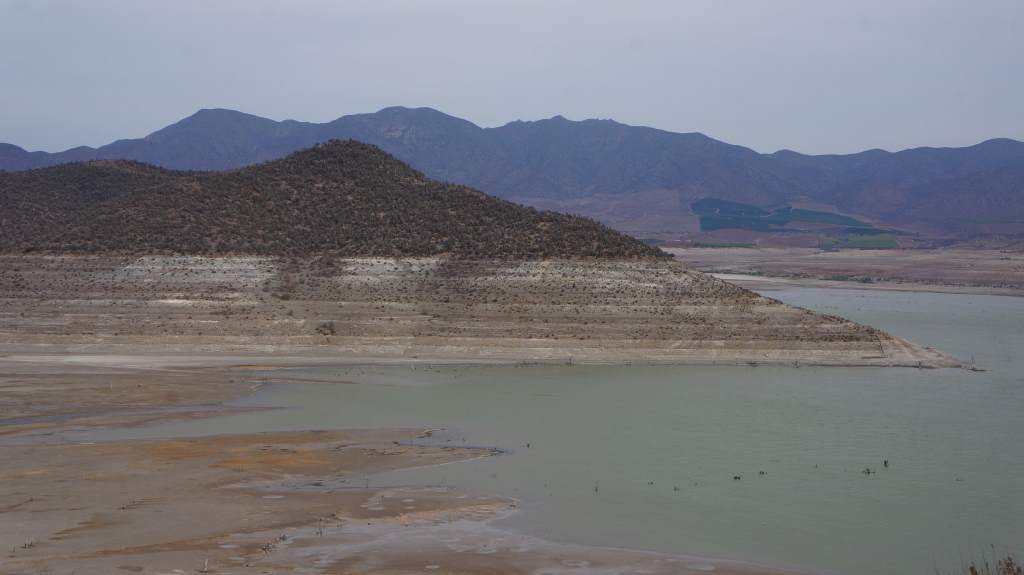
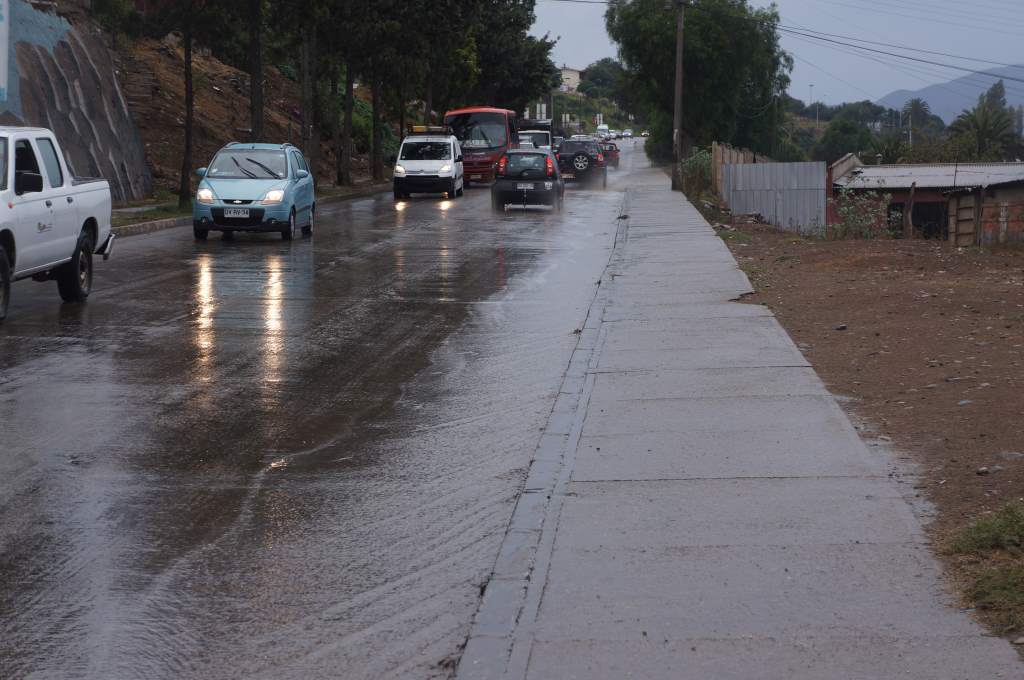
Week 3 on the Carretera Austral

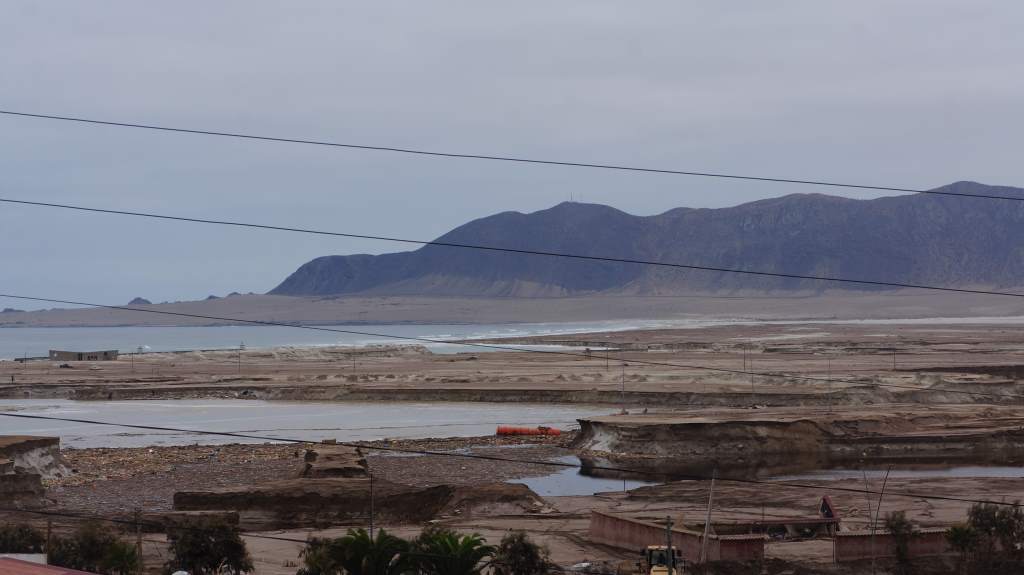
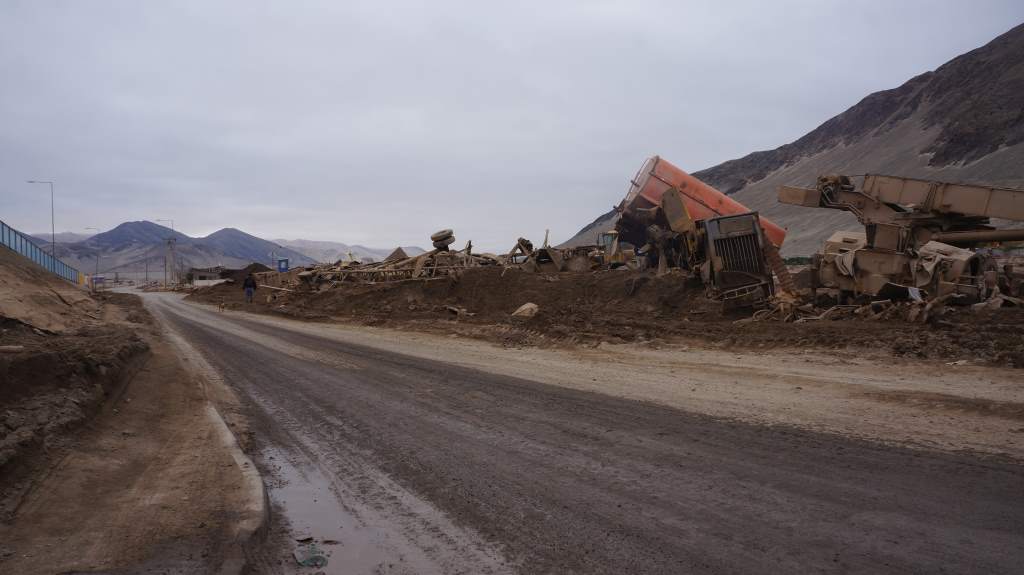
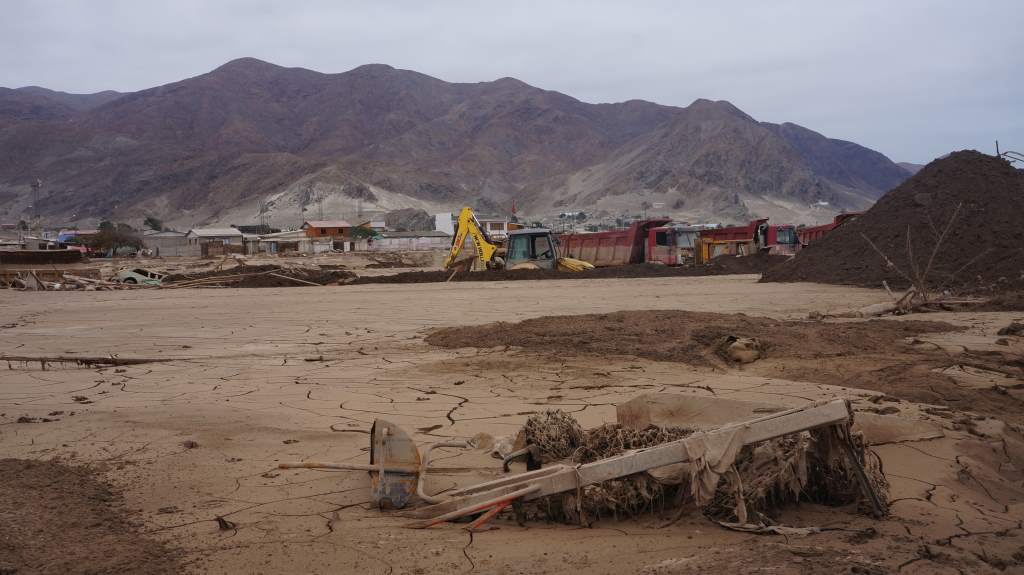
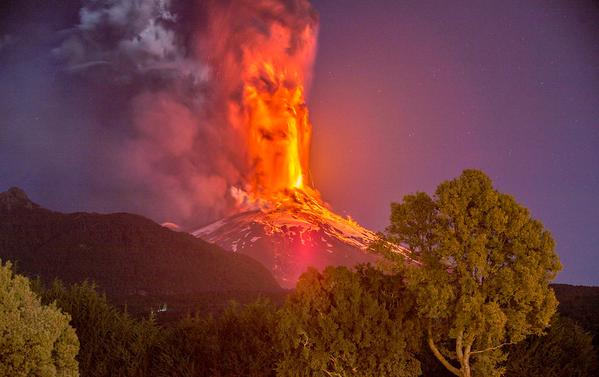
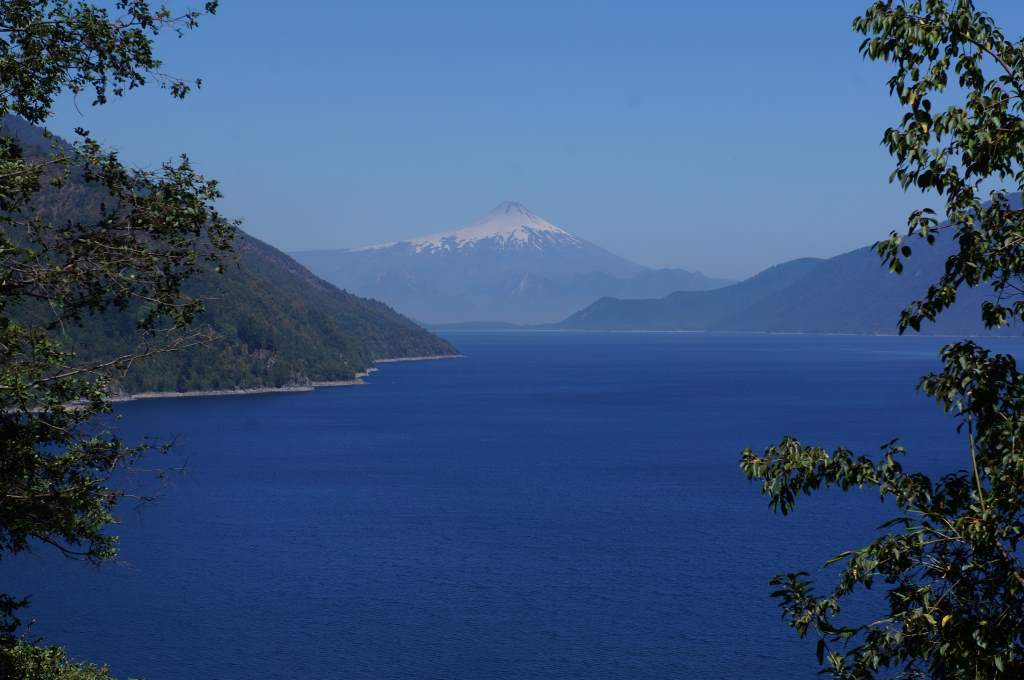
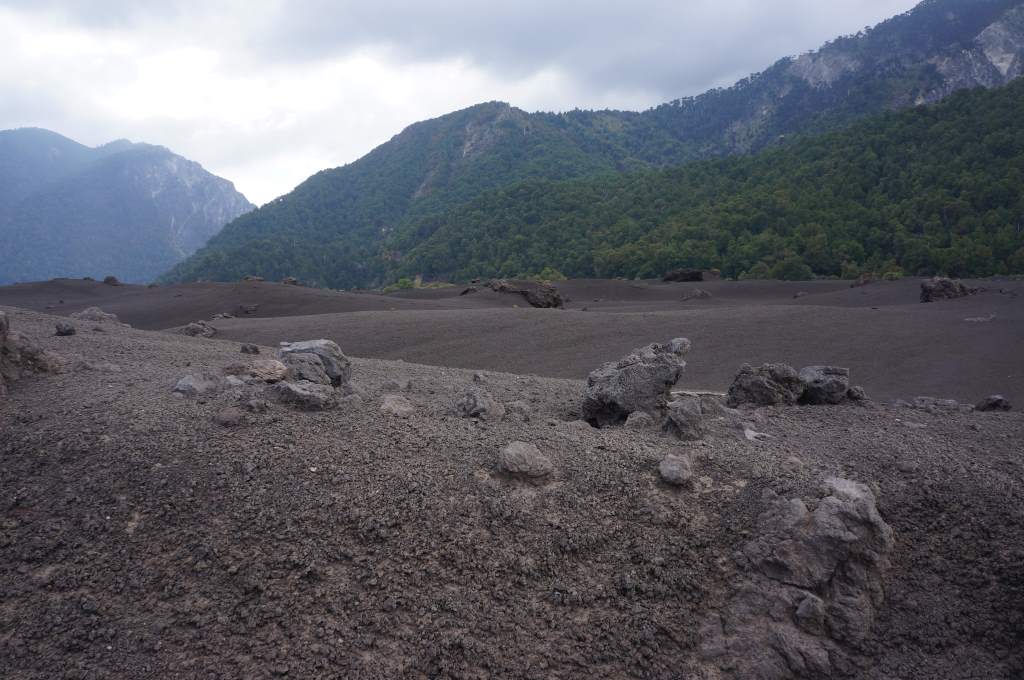
week3onCAIt’s the end of our third week riding on the Carretera Austral, and we are in the comparatively large town of Chaiten.  This town is famous because in 2008 a nearby volcano erupted and buried it.  The inhabitants were vacated, and the town was relocated a few miles north of its previous location.  The volcano is clearly visible from almost anywhere in town, and it is still smoking.  Yikes!CAwk3_005

Feb09_016

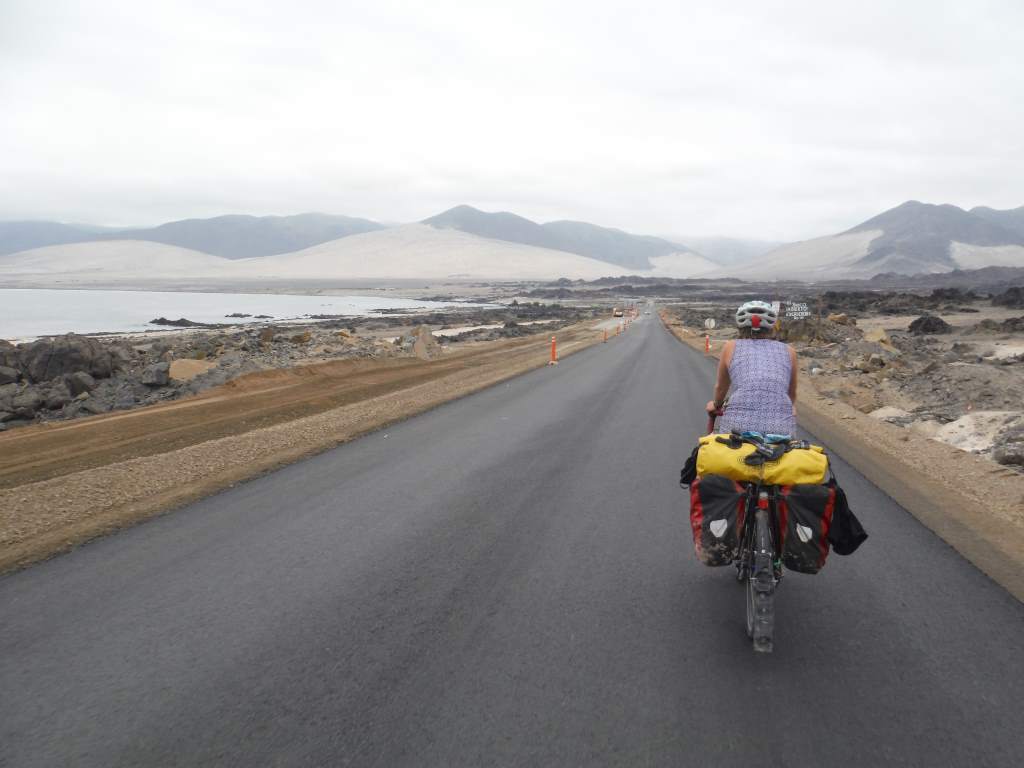
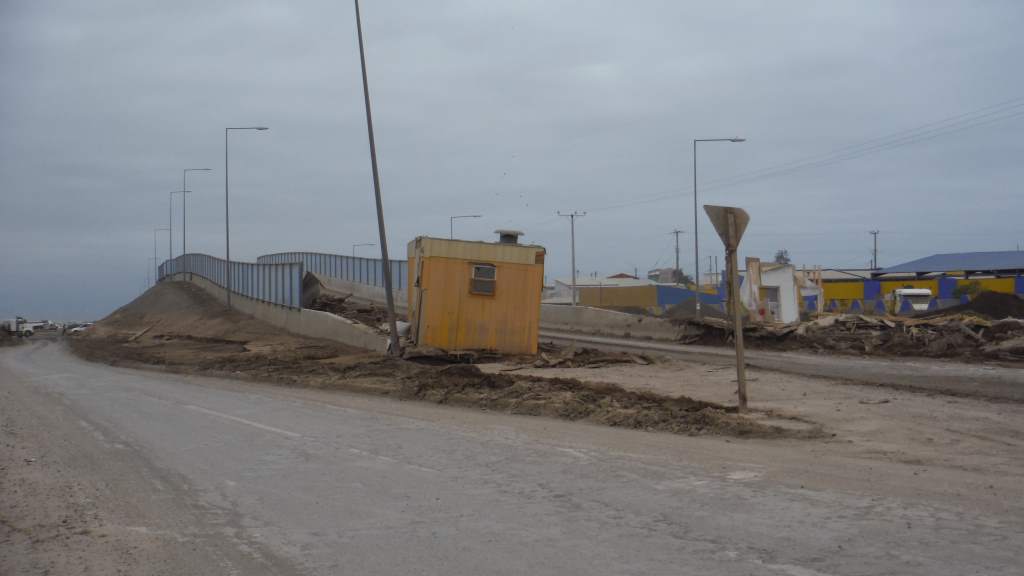
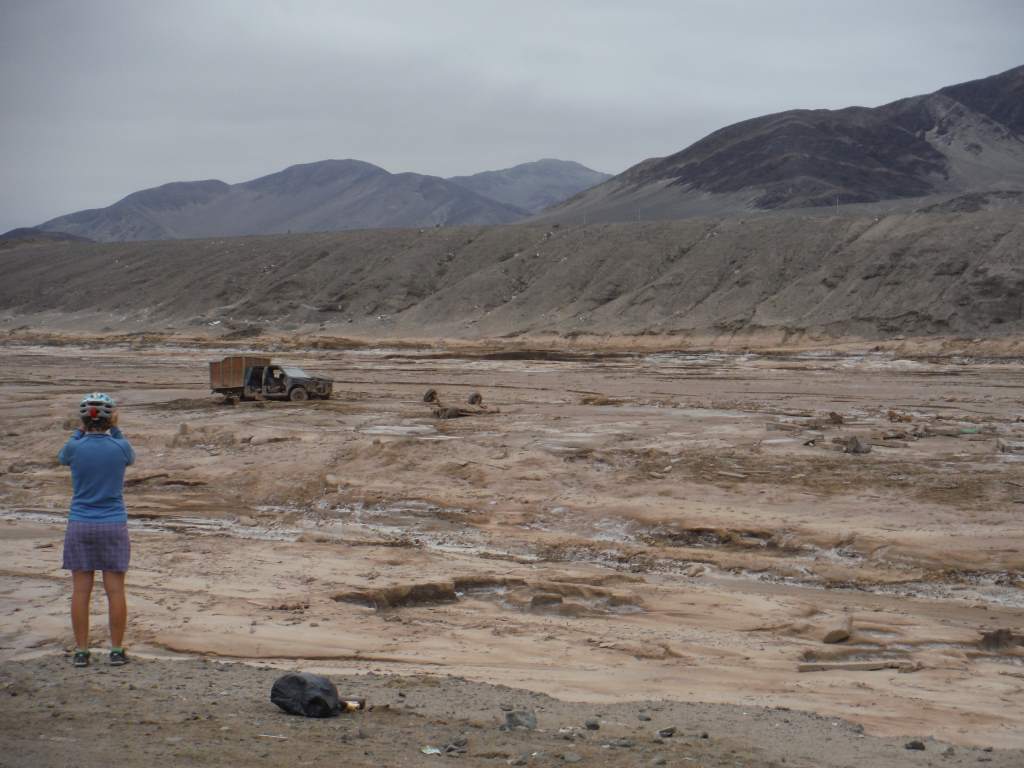
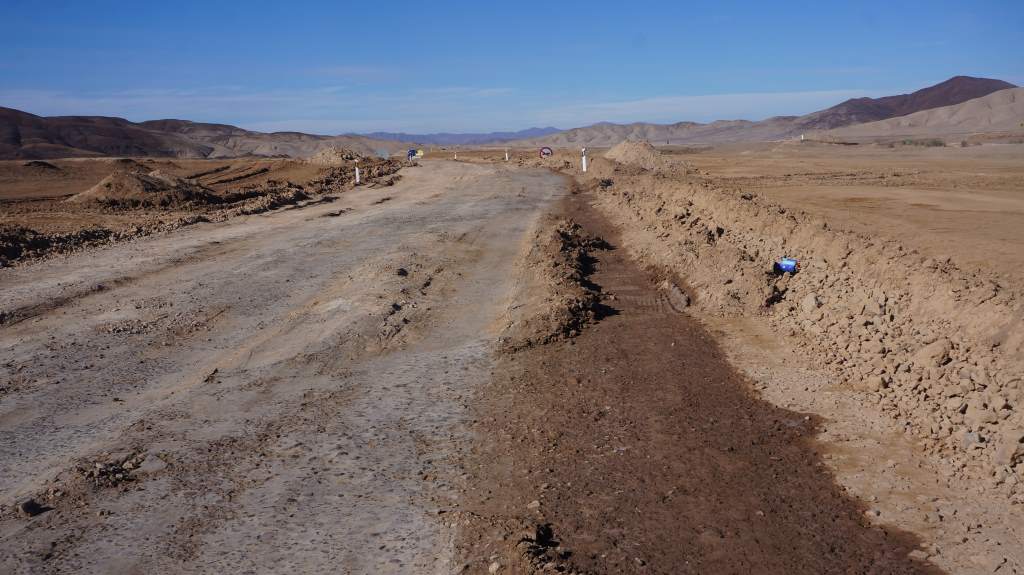
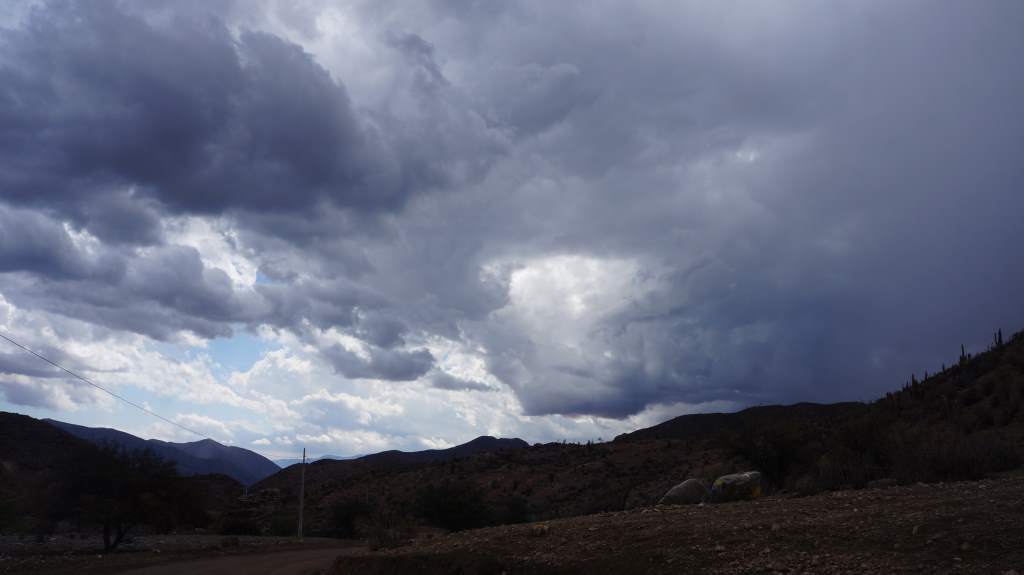
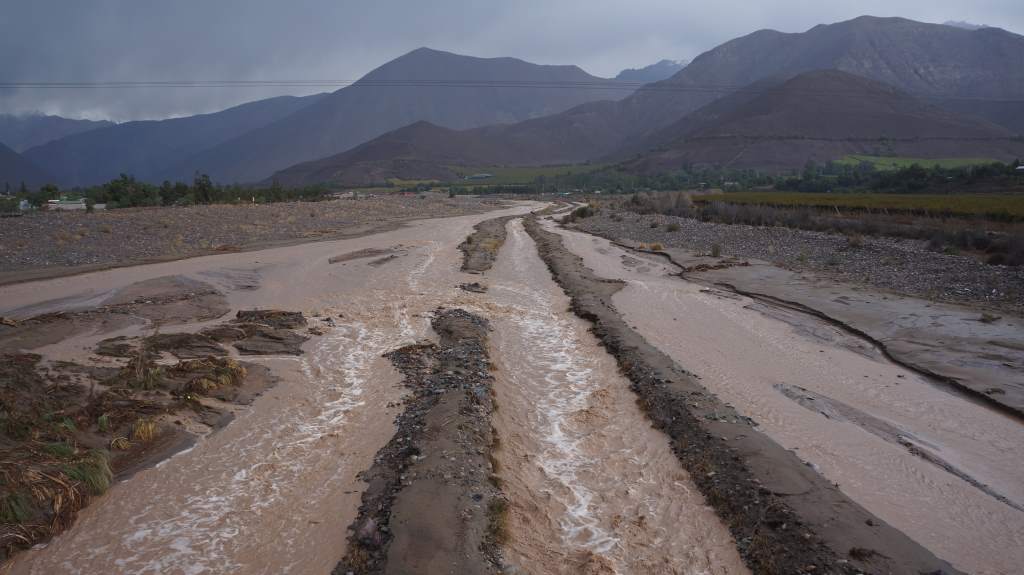
It’s been an interesting and varied week.  We’ve been seeing tons of southbound cyclists – up to 30 each day.  It is the height of vacation season for the Chileans, so we meet many college students from Santiago out adventuring.  They are lucky to have such a fantastic area for adventuring just a few bus rides away.  For us, we’ve seen more mountains (of course), along with more towns.  There has been a series of construction areas that presented difficulties.  One in particular combined with a fierce storm and forced us to get our first ride since Washington State.

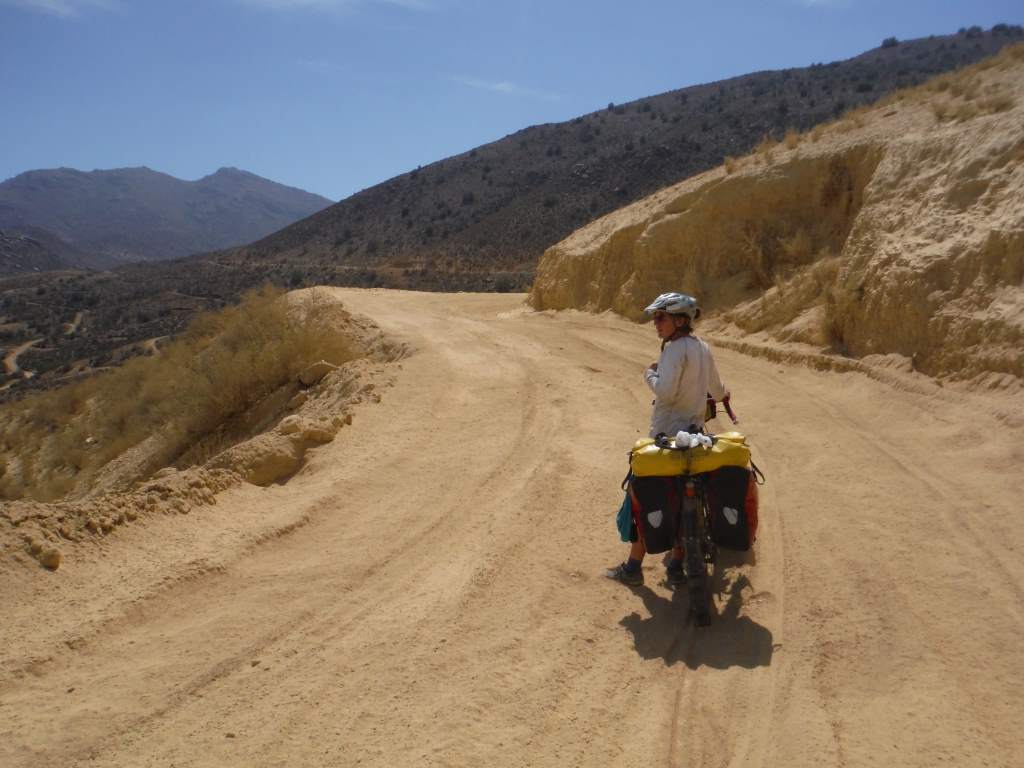
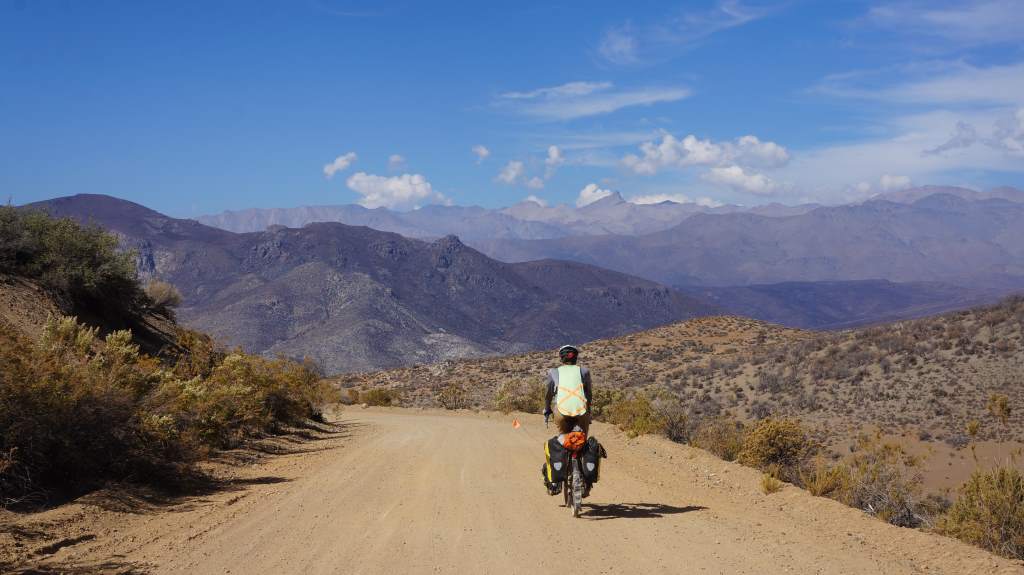
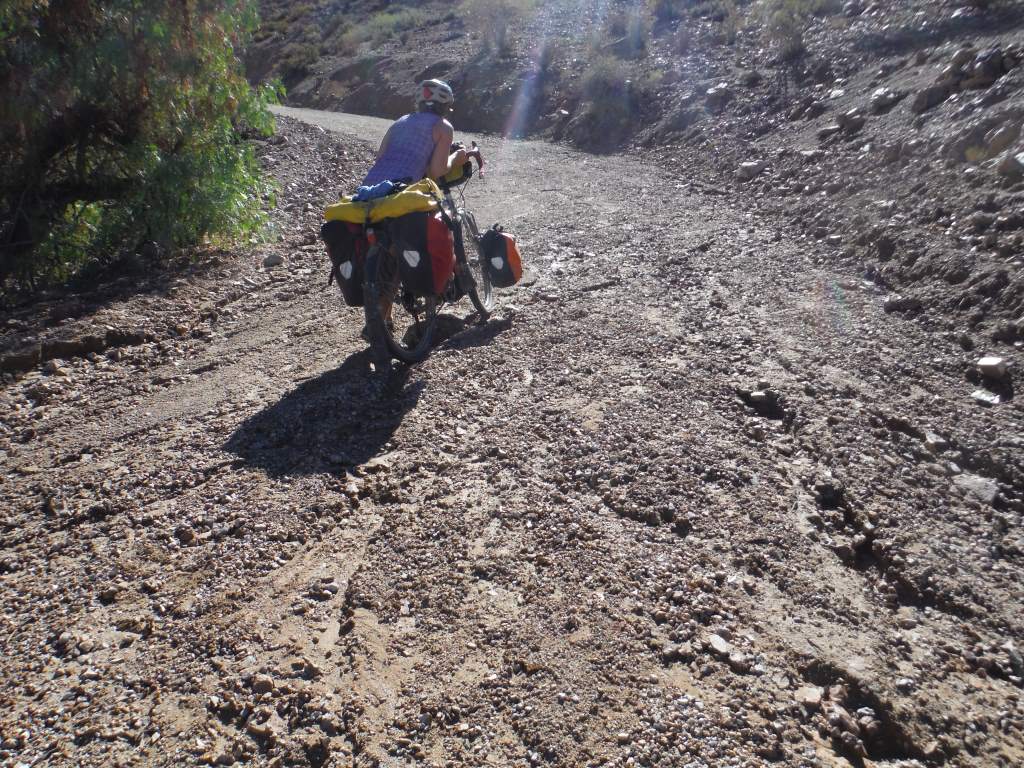
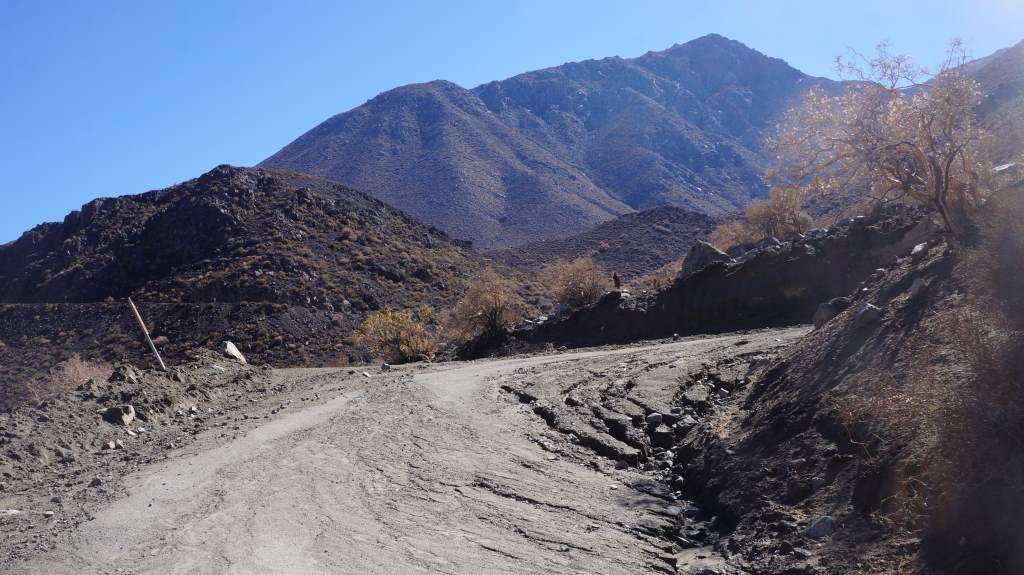
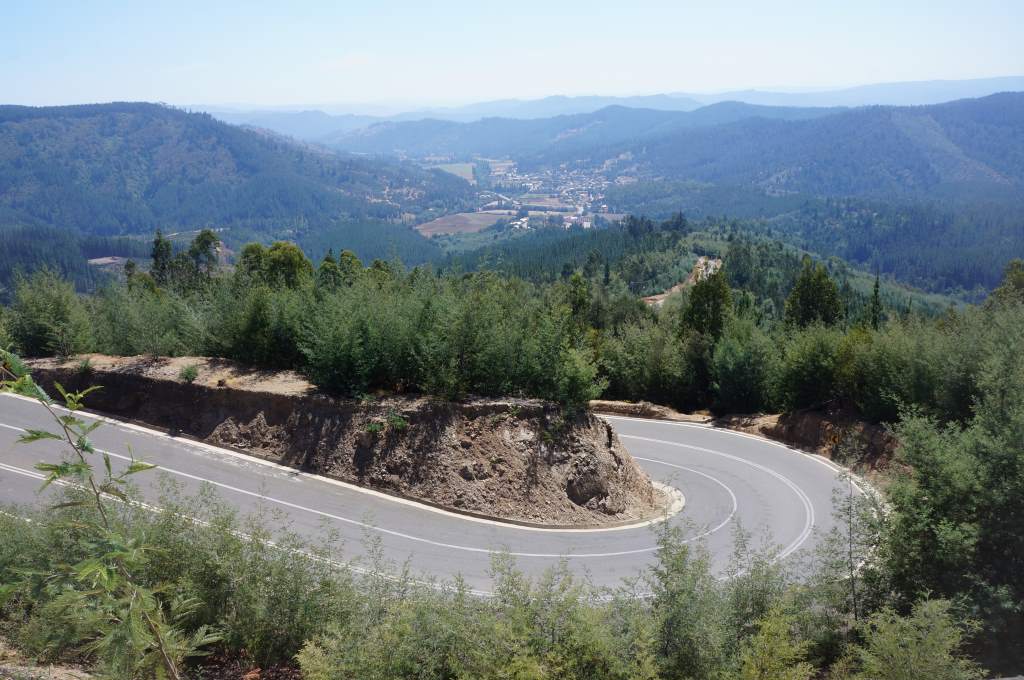
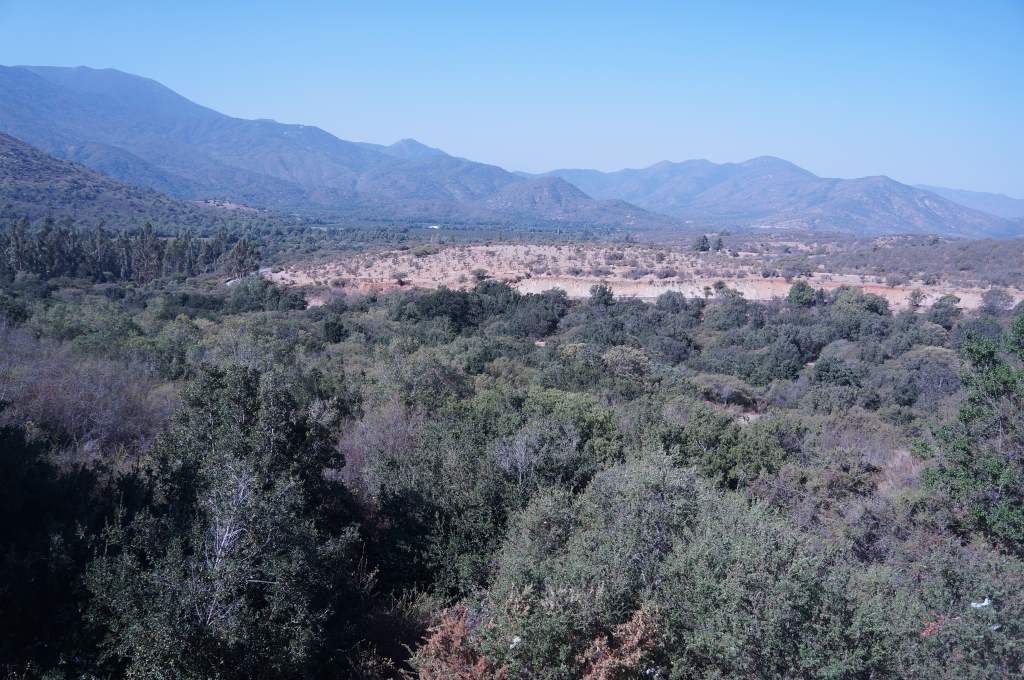
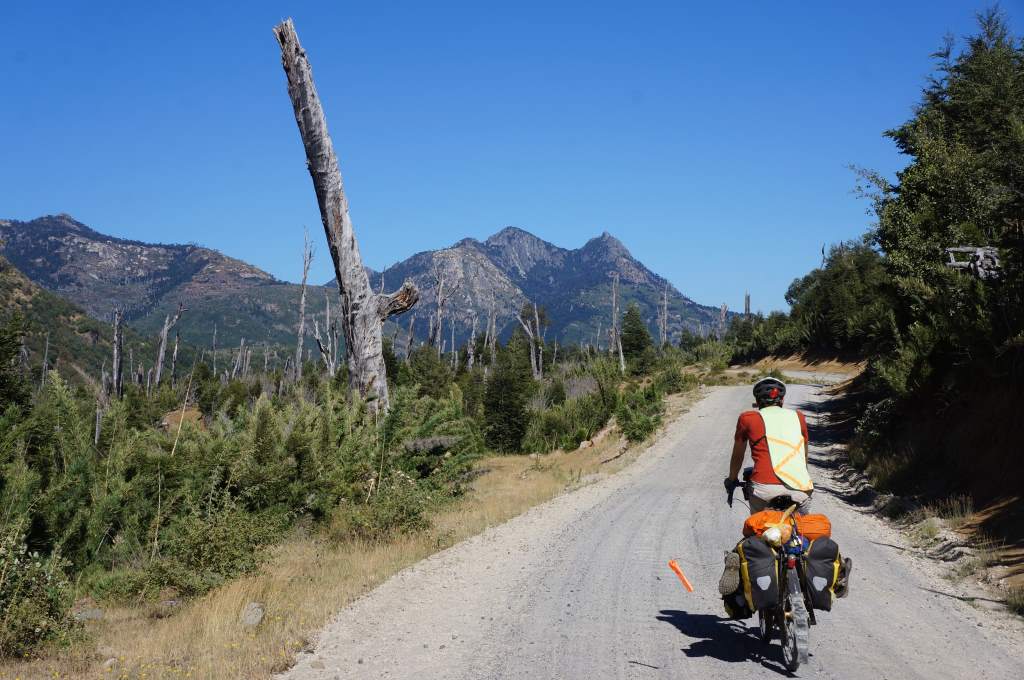
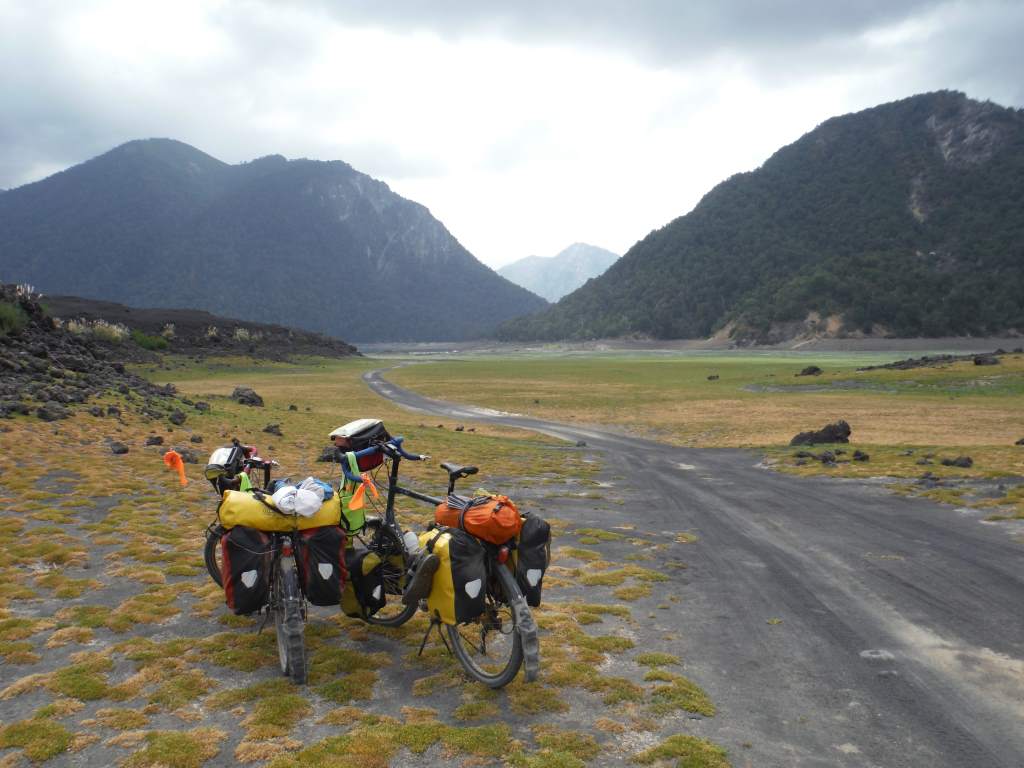
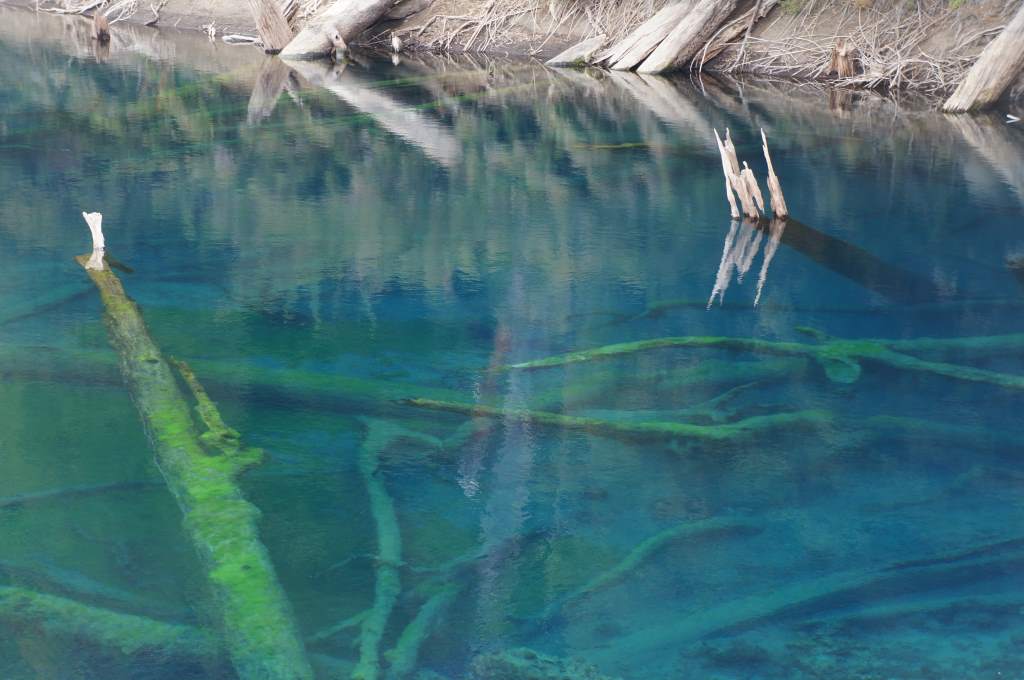
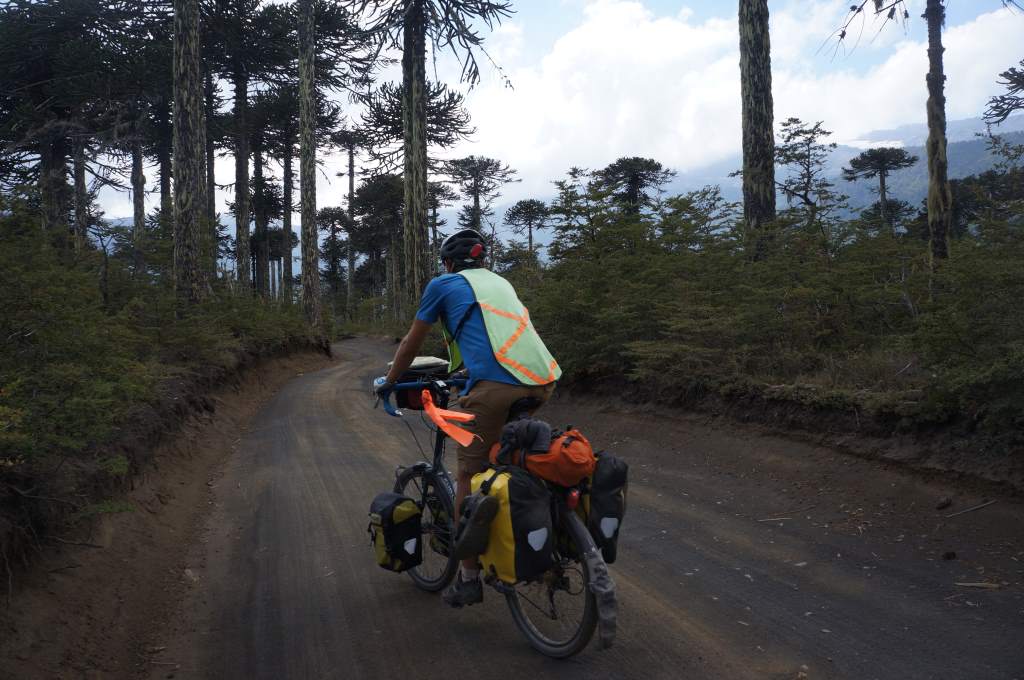
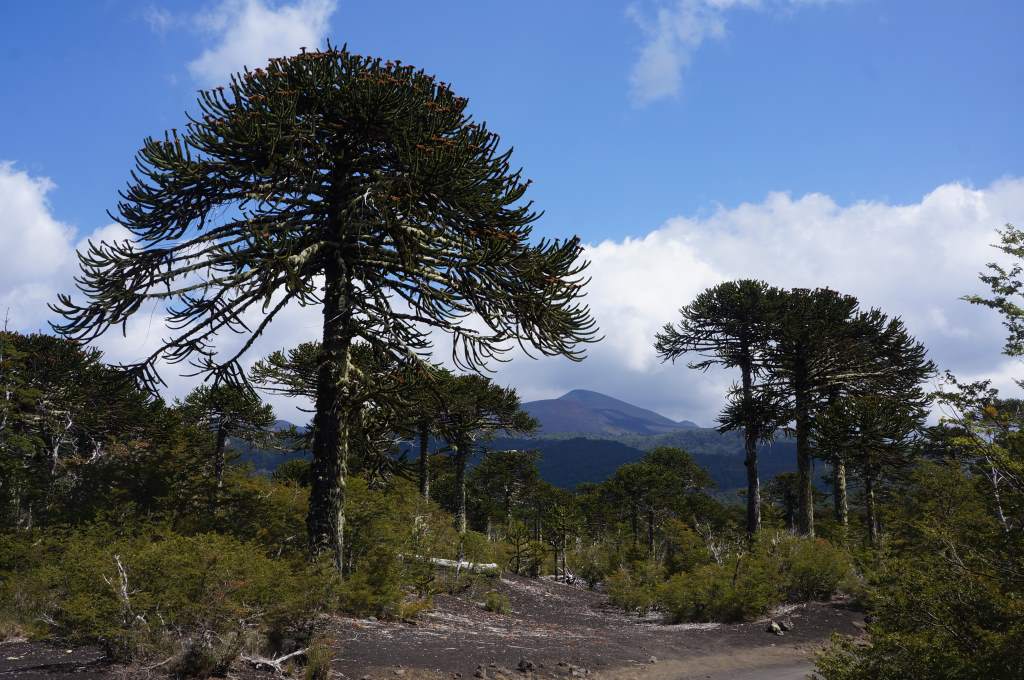
Leaving Coyhaique (where we last updated) there are two potential routes north: a paved route along the river, and a gravel road through the mountains.  You can guess which one we chose!  Despite some cold weather, a stiff breeze, and loose gravel, it was a phenomenal day of riding.  To illustrate:

Feb09_010 Feb09_011 Feb09_008 Feb09_013

Feb09_018

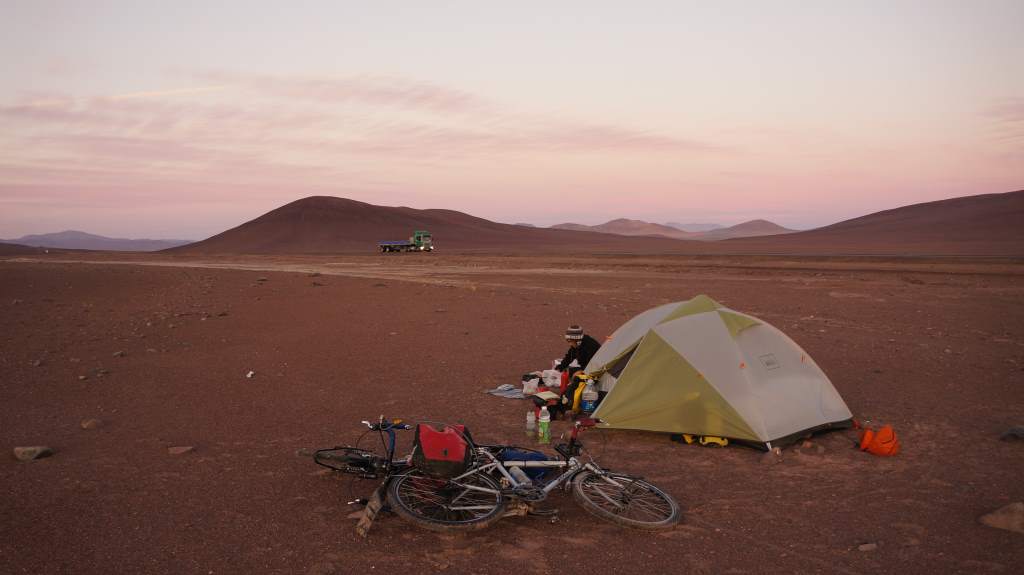
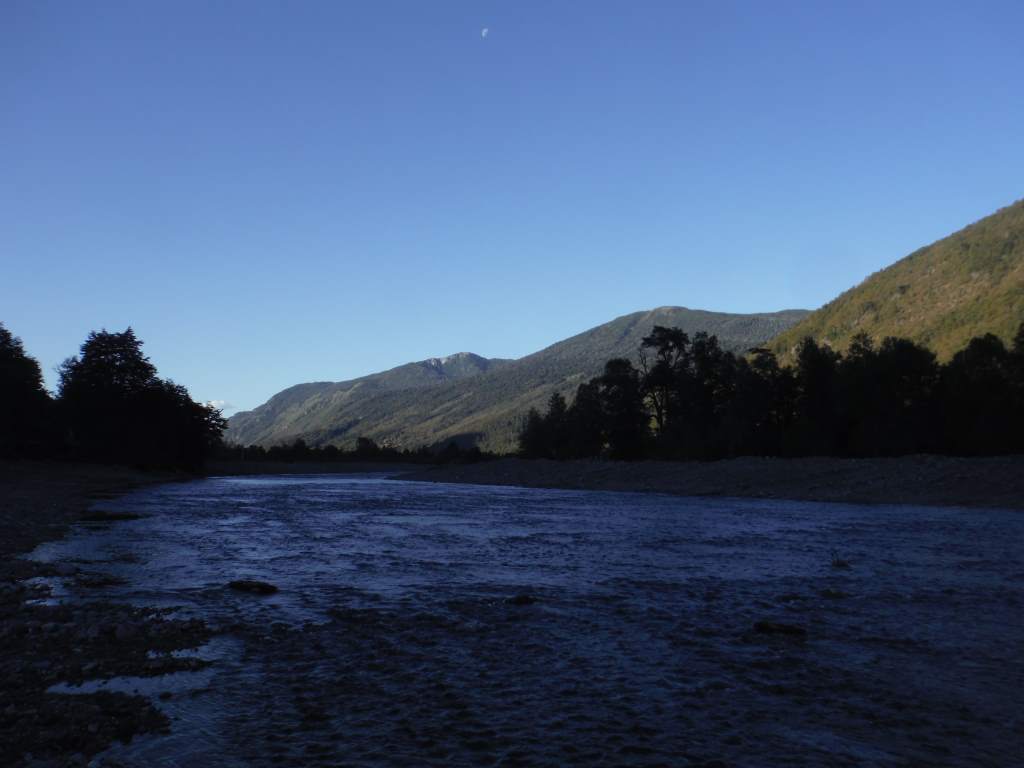
That night we stayed inside for the first time in weeks.  It was only $8 each to stay in a very simple hostel, but it was actually very nice.   There were about 5 blankets on each bed!  We were happy to be inside, since the wind and rain raged all night long.  It stayed pretty rainy for the next day, and we kept hoping it would clear.  We spent that night camping along a lovely river, still hoping for clear weather.

Feb10_001 Feb10_007

Consequence of rain and sun:  rainbows!  Jason almost made it to the pot of gold here.

Consequence of rain and sun: rainbows! Jason almost made it to the pot of gold here.

It was not to be, even though the following morning hinted at better conditions.  The rain was on and off as we rode through the early hours, but it was all ‘on’ as soon as we started the biggest climb of the day.

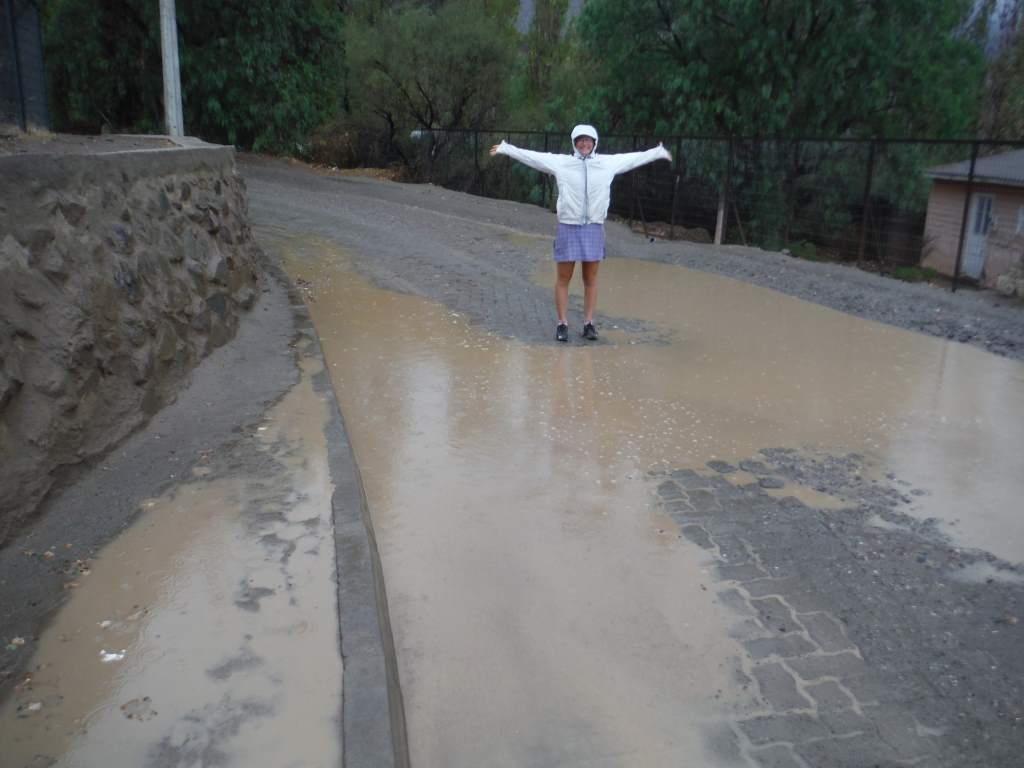
This climb coincided with some nasty road construction that had more or less destroyed the road surface and made everything more difficult.  It really started to pour as we got higher and higher into the hills.  We reached the top and realized that the wind was insanely strong directly into our faces.  The rain was actually sideways.

All rain once the climb started.

All rain once the climb started.

Inside the port a potty.

Inside the port a potty.

We stopped to get some warmer clothes on, but it took us too long and we ended up chilled, wet, and not willing to start a long descent.  The only shelter for us was a plastic port-a-potty, which we were actually very grateful to shelter in (ok, it was disgusting, be we were pretty desperate at this point).  I (Daisy) tried to flag down a truck to carry us the rest of the way through the construction site.  The really bad part was that the road was to be closed for traffic from 1 to 5 that day, and it was 12:30.

I frantically waved down every truck that went by until we finally convinced two German tourists to let us pile into their rental truck.  Good thing too, since the rain continued sideways and the road was just awful going down the hills.  Even the truck had to crawl along in 4 wheel drive.  After about a half hour we got stopped at another construction block that wouldn’t open for two more hours.  The Germans decided they didn’t want to wait, so we had to get all our stuff out of their truck.  Once again, we were in the pouring rain and cold.

Feb11_010  Feb11_012Luckily, a lovely family took pity on us and made us cups of hot, sweet coffee.  It warmed us to the core.  We also found a truck carrying hitch-hikers that was willing to take us through the construction.  Again, we were very grateful for the lift as the construction zone was in awful shape (they were blasting up the sheer cliffs on the side), and the weather was nasty.   That night we were incredibly grateful just to be warm and dry in a covered tent area.

Nasty blasting zone and mud.

Nasty blasting zone and mud.

Very nasty riding surface we were glad to not ride on.

Very nasty riding surface we were glad to not ride on.

Since then, we’ve had some easy days through pleasant scenery.  It certainly hasn’t been spectacular by Carretera Austral standards, but it also hasn’t been raining!  We rode through yet more construction, too.

Feb12_005

The big bad bull.

The big bad bull.

Last night we camped next to a glacial stream a little ways off the road, and the site seemed almost too perfect.  That is, until the giant bull came wandering into camp!  He was a bit upset that we were cooking dinner in his path, and he huffed at us a bit before sniffing the tent and rambling off into the bushes.  After that we used logs to build a fence around our sleeping area…

Our tent, protected.

Our tent, protected.

We have just a few more days left on the Carretera Austral.  It has been quite a ride for us so far, but we are looking forward to getting to know other parts of Chile.  A few more photos:

Beautiful sky in the evening.

Beautiful sky in the evening.

CAwk3_004 CAwk3_003

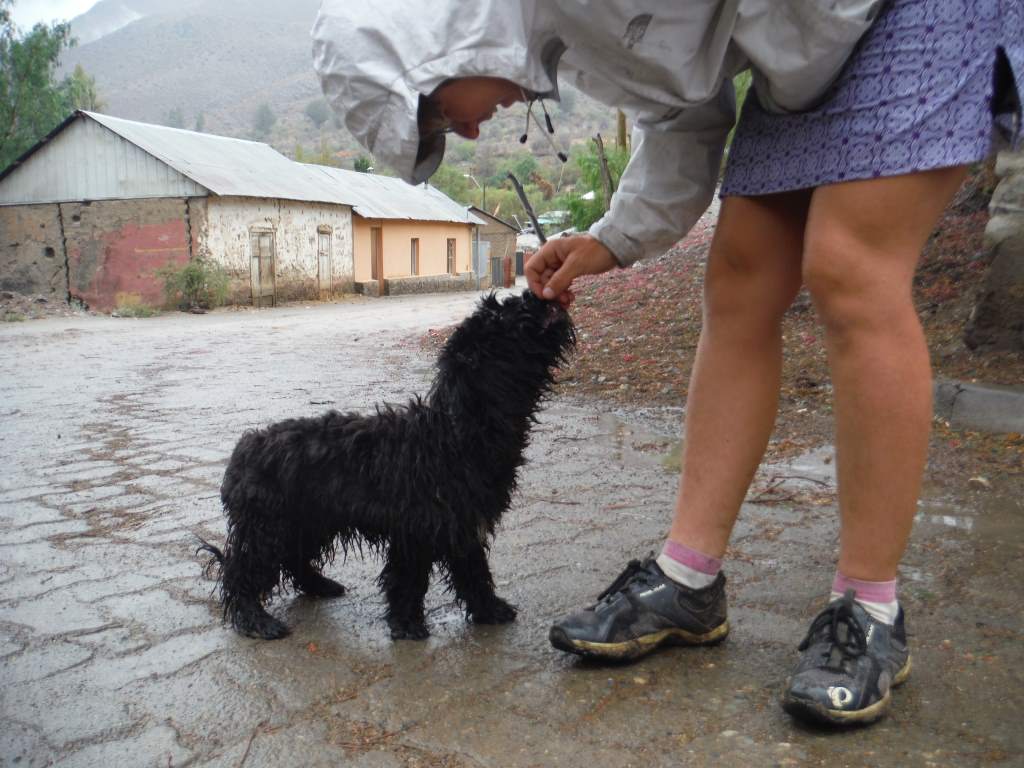
Village dogs meet prissy sweater dog.

Village dogs meet prissy sweater dog.

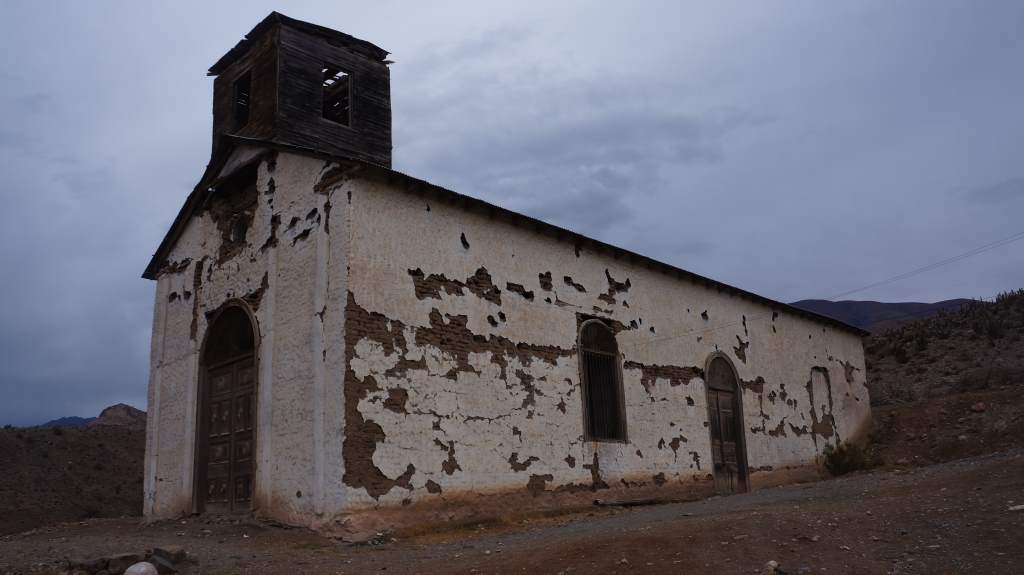
Many of the little towns have churches like this.

Many of the little towns have churches like this.

Common scene for in-town camping

Common scene for in-town camping


Week 2 on the Carretera Austral

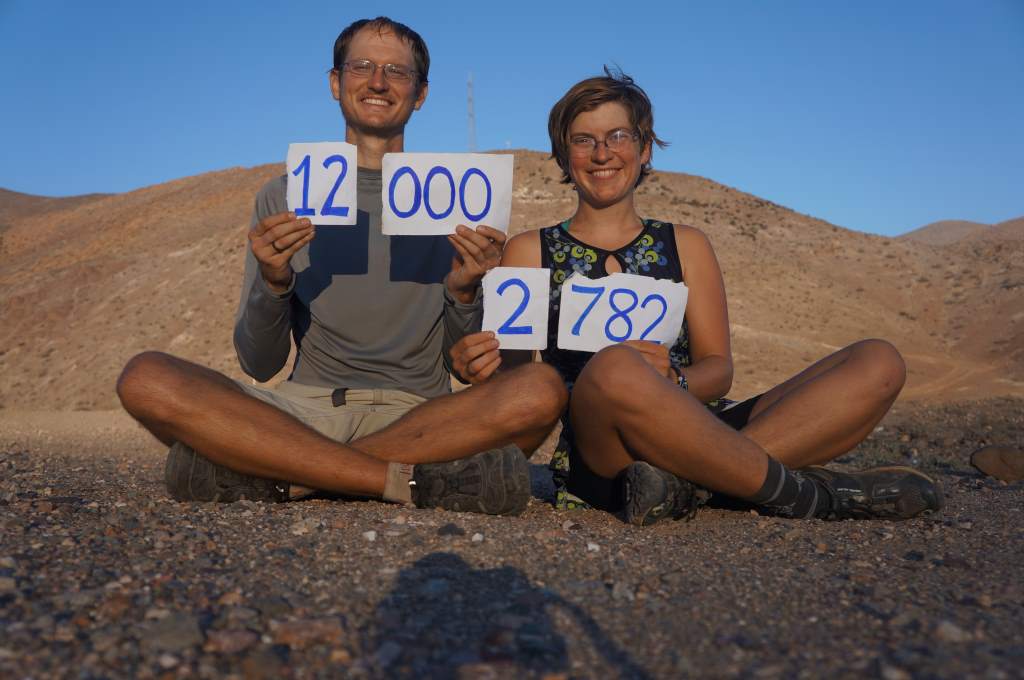
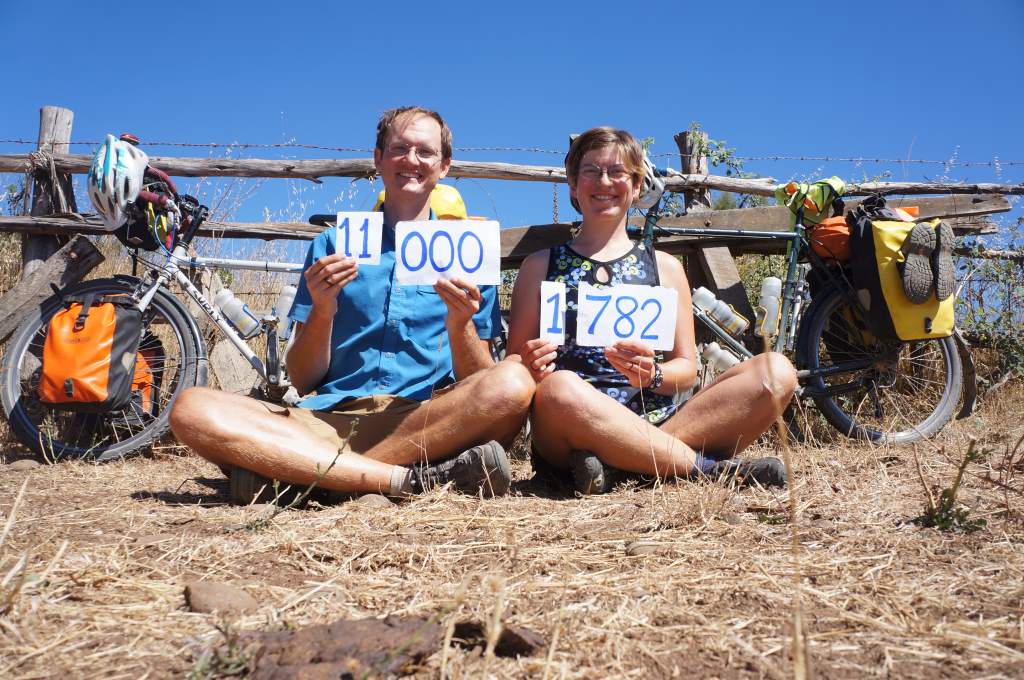
During this stretch we hit the 10,000 mile mark! And also 782 miles from Punta Arenas.

During this stretch we hit the 10,000 mile mark! And also 782 miles from Punta Arenas.

Daisy started a new ‘tradition’ for writing blog posts recently – eating chocolate while typing! Since there are no bears here in South America, we can eat in the tent. The chocolate sure helps make typing a little easier, hehe.

Week 2 on the Carretera Austral

Week 2 on the Carretera Austral

The past week we’ve cycled another 213 miles, from Cochrane to Coyhaique. We found an alternate road, enjoyed exploring the Marble Caves by canoe, saw more incredible mountain vistas and river valleys, and found some pavement. It has been an exciting week!

Many of the southbound cyclists we pass express doom and gloom about the upcoming gravel road and how terrible it is. Sometimes, they are right – it is like riding your bicycle over an old-style washboard. Often we find the road not nearly as terrible as they claim. For the road north of Cochrane we heard particularly bad reports. However, we also found out there was an alternate route for about 20 km.

Raft-like ferry powered by the river's current.

Raft-like ferry powered by the river’s current.

If you’re thinking: “An alternate route to the gravel road at the end of the world? That can’t be good, Jason!” Then think again! The road was great. We crossed a river on a tiny two car raft-ferry, climbed a mountain, and saw plenty of horses and cows but absolutely no cars. After all the dust we’d been breathing, it was a welcome break. And, of course, the scenery was stunning.

Climbing up the alternate pass. It was so steep Daisy had to push her heavy bike.

Climbing up the alternate pass. It was so steep Daisy had to push her heavy bike.

Up top was very pastoral.

Up top was very pastoral.

River crossing back to the main route.

River crossing back to the main route.

We rode along several lakes in this region. We've seen many shades of blue!

We rode along several lakes in this region. We’ve seen many shades of blue!

Feb3_010

The next day we ended our ride near Puerto Rio Tranquilo, which is known for boat tours of the Marble Caves. We stopped along the road next to a dirt driveway that went down to the lake where you can rent kayaks and there is free camping. As we started down the steep grade, we quickly learned that we had to walk our bikes and began questioning whether the trip down the super-steep grade would be worth the trip back up the next morning.

The texture of the marble reminded us of a golf ball.

The texture of the marble reminded us of a golf ball.

The answer to that question was yes, the “caves” were awesome! It also helped that we found a nice couple from Colorado that agreed to take our bags up the driveway in their truck the next morning. Although we arrived at the boat dock around dinner time – which you don’t want to delay after a long day of cycling – we rented a canoe, threw in a bunch of cheese and crackers, the waterproof camera, and set out on the 15 minute paddle to the attraction.

Paddling out to the Marble Caves. Those islands are it!

Paddling out to the Marble Caves. Those islands are it!

From the advertising campaign, we were expecting a huge swath of marble caves. In reality, it was the base of about 3 and a half small islands. Although smaller than expected, they still provided plenty of entertainment as we maneuvered the canoe through rock tunnels and examined the unique golf-ball-like texture of the marble. It was fun to explore with the autonomy of our canoe. The boatloads of tourists also provided plenty of entertainment: like the girls who jumped in the freezing water to get their picture taken between two rock arches, or the guy who climbed the 25 foot cliff to jump from the top!

We shared the space with many tour boats.

We shared the space with many tour boats.

A very unique geologic formation!

A very unique geologic formation!

We enjoyed quick baths in the cold rivers to wipe off all the road dust.

We enjoyed quick baths in the cold rivers to wipe off all the road dust.

For several nights we were lucky to find wild campsites along different rivers. Water is plentiful, and the combination of the sound of the river running and the beautiful setting made for great campsites.

Camping by a river

Camping by a river

One of many beautiful river valleys

One of many beautiful river valleys

Side road with a ranch

Side road with a ranch

A Patagonian cemetery

A Patagonian cemetery

It is really steep sometimes! Here we think they took a downhill sign and turned it sideways.

It is really steep sometimes! Here we think they took a downhill sign and turned it sideways.

These cyclists had a stray dog run along with them for several kilometers.

These cyclists had a stray dog run along with them for several kilometers.

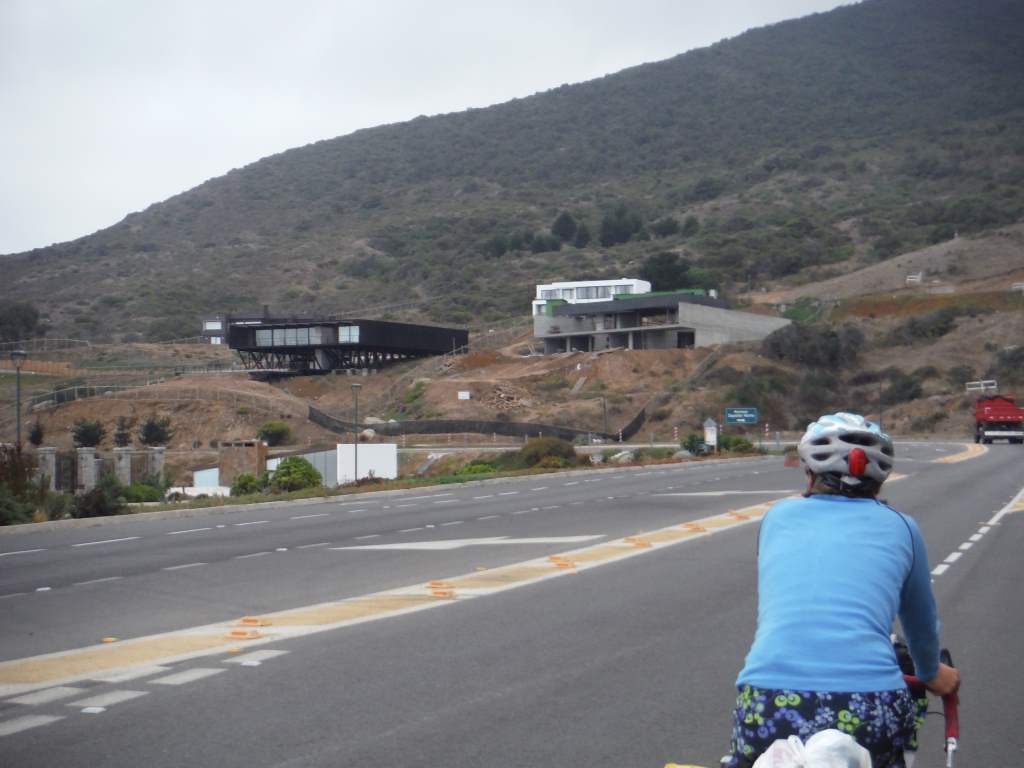
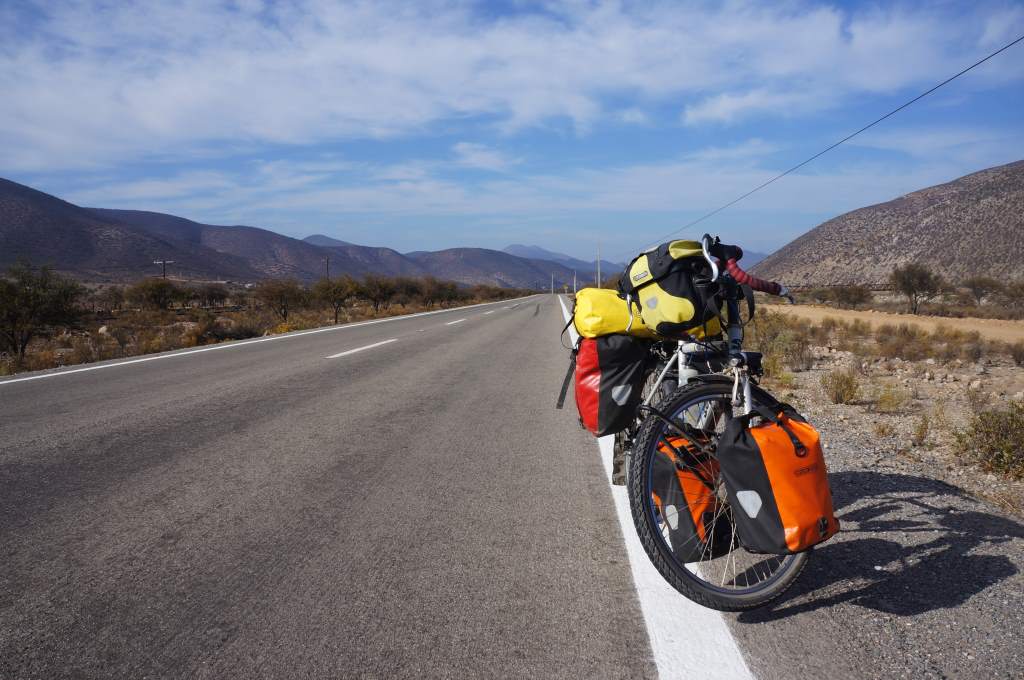
Yesterday, after winding along up and then down another mountain, we finally hit our first stretch of pavement! That is right, part of the Carretera Austral is paved. Actually, we’ll be hitting more paved sections going north, and a lot of roadwork. We’ve heard that in 5 years the whole route will be paved, which will certainly change the experience for future travelers.

Selfie with Cerro Castillo

Selfie with Cerro Castillo

In any case, we definitely enjoyed the break from the bumpy road surface. We completed the longest climb of the Carretera Austral – about 2500 feet. During the climb, the road winds up the side of a mountain to enter a high river valley. The climb was pleasant, and felt just as easy as going downhill on gravel. When we got to the downhill paved section, we thought we must have entered heaven.

Looking down at our sinuous climb (on pavement!)

Looking down at our sinuous climb (on pavement!)

Up top with rocky mountain slopes

Up top with rocky mountain slopes

A high river valley

A high river valley

Now we’re in a campground that is actually just someone’s yard that lives in the town of Coyhaique. A few hours ago we were excited to do our shopping at the huge Unimarc grocery store – where just the aisle of cookies was larger than any single supermarket we’ve been in for over two weeks. We’re looking forward to rest day tomorrow before we continue our ride northward.

They sure know how to pack in the tents.

They sure know how to pack in the tents.

Our first section of the fabled Carretera Austral

Just another incredible vista...

Just another incredible vista…

The Carretera Austral is a (mostly) gravel road extending into Chilean Patagonia. Construction of the road began in 1976, but didn’t reach the southern terminus in Villa O’Higgins until 2000. The road reaches into vast, untouched, and pristine lands of fjords, glaciers, forests, and mountains. Since it was opened it has gained fame as one of the world’s classic cycling routes, so of course we have to ride it. In fact, this route was a main motivating factor in our decision to fly south and ride north, since otherwise it wouldn’t be open when we finally reached the southern extreme. Enough preamble though – we are finally here and it is wonderful!

Jan27_005 Jan27_008

Jan27_010

Many of these cascading glacial streams throughout each day.

Many of these cascading glacial streams throughout each day.

The first 100 km were some of the best of the trip so far. The traffic was almost non-existent and the road surface was pleasant despite being dirt. There were mountains everywhere, and we constantly were crossing streams from glacial run-off. In the afternoon the first day the weather took a turn for the rainy, and we decided to call it a short day. The road ahead seemed to lead straight into a nasty looking cloud. We found a great spot next to a clear, still pool and set up camp. It started to drizzle as we cooked dinner, so we retreated to the tent quite early. Out of boredom we ate too much chocolate and ended up being as giddy and silly as small children right around bedtime. Oops! Eventually we finished our sugar-high and fell asleep to the light sound of rain.


Jason at breakfast on a misty morning.

Jason at breakfast on a misty morning.

Our guests across the road from camp.  There are cattle even in Patagonia.

Our guests across the road from camp. There are cattle even in Patagonia.


The next day we continued on this beautiful stretch of road, and finished off the day by taking a ferry across a wide river. This ferry was free, and there were beautiful waiting rooms on either side where many cyclists have spent nights. We had planned to spend the night in one of these shelters, but just as we were settling in an extremely chatty hitchhiker showed up to spend the night too. We decided that we wanted to actually sleep that night, so we rode out of town to find a wild campsite. In the end we slept on a gravel terrace with an amazing overlook at the river valley below. We’ve really slept in some wild places on this trip!

Jan28_007

It always helps to have the view of a glacier as motivation to get to the top.

It always helps to have the view of a glacier as motivation to get to the top.

We made the ferry!
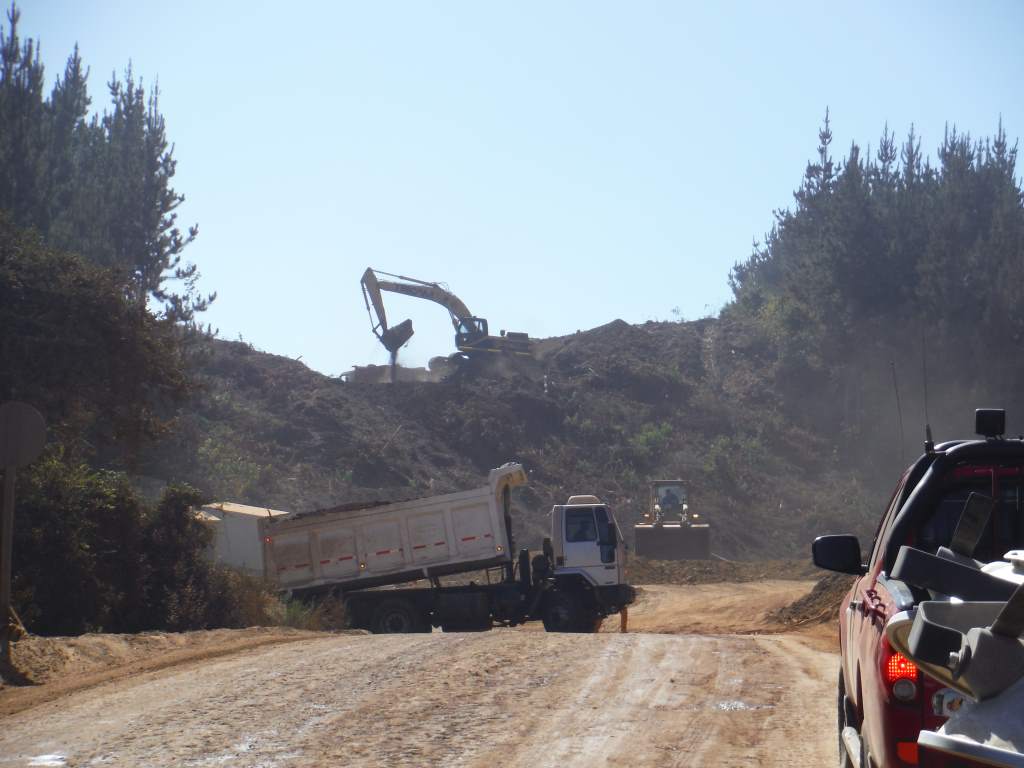
We made the ferry!
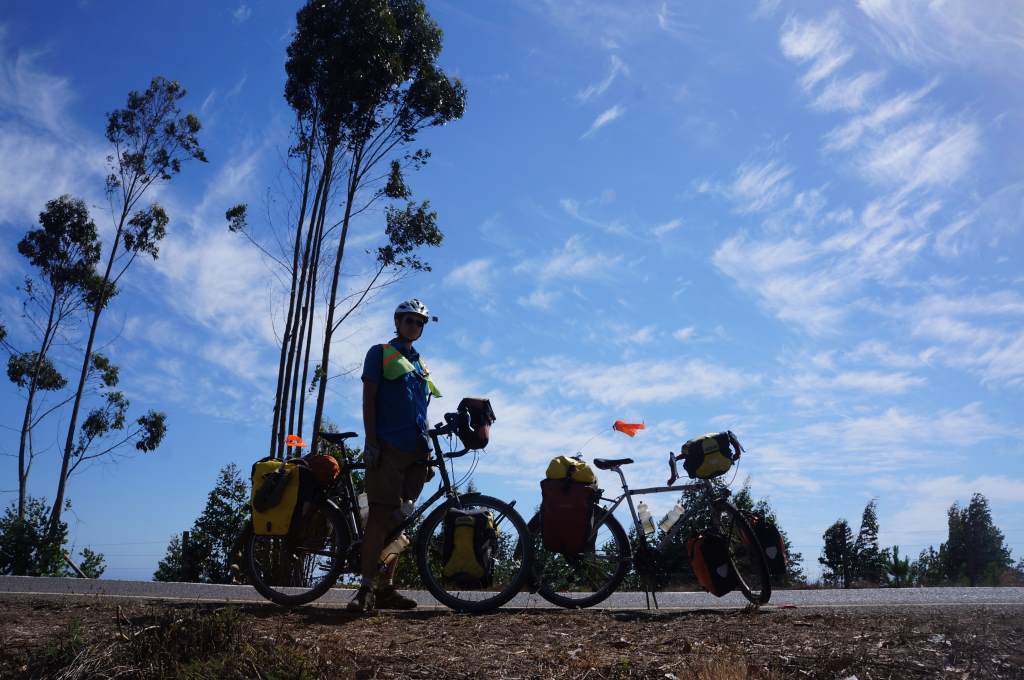
Our surprisingly comfortable campspot.

Our surprisingly comfortable campspot.

We had to interrupt the goat party hour on the way to Tortel.

We had to interrupt the goat party hour on the way to Tortel.

Next we took a side trip to the charming town of Caleta Tortel, which is famous for being a truly car-free community. It was founded in 1955 at the outlet of the untamed Baker River, its existence owed to the harvest of cypress trees. The town is built entirely of wood, and houses are suspended on stilts on the steep hills overlooking the glacial water. The buildings are all connected via an extensive system of wooden boardwalks. It was only in 2003 that the town became accessible by road, and all traffic stops at a parking lot above town. We loved wandering this town on foot!

Jan29_017 Jan29_022

The path to town.  We left the bike in the parking lot!

The path to town. We left the bike in the parking lot!

A lovely house, but a scary location for a rocking chair.

A lovely house, but a scary location for a rocking chair.


The final leg from Caleta Tortel to where we are now (the big city of Cochrane: population 3,000) took 2 days over rough gravel roads. We got jostled, bumped, and jarred for hours, but luckily the scenery was enough to make up for it. There was rain, too, but we’ve got plenty of raingear and perseverance. We even got to sleep in a wonderful protected bit of woods with some other cyclists. Actually, we’ve been seeing 6-10 or more southbound cyclists each day. That is very “busy” in cycling terms, and reminds us of the California coast. The difference is only in the scale – we are in remote country here!

Jan30_004 Jan30_007

Jan30_012 Jan31_003

A somewhat scary spot to get water.

A somewhat scary spot to get water.

When we finally reached the town of Cochrane it was with great excitement and relief. We had just endured five shower-free days, and were ready for a good wash, a good dinner, and some electricity for our many gadgets. This town is like an oasis for us! A lovely camping area is a mere block from the central square, there is reasonably fast Wifi, and a large supermarket. Oh, and it’s cheaper than camping at many state parks with no services whatsoever. Win for Patagonia!

The town of Cochrane.

The town of Cochrane.


That night in camp we undertook a major project: cleaning our camping stove. Over the course of the last eight months its flame has gotten gradually weaker, until it was finally taking up to half an hour to get a liter of water boiling. In order to clean it we had to yank a cable out of a fuel line, swish it back and forth many times, and eventually flush the whole thing out with clean gas. Needless to say, it was not as simple as it sounds. It took about 40 minutes of yanking on that cable with all our strength before it was finally convinced to emerge from the fuel line! We persevered, and now our stove is back to sounding like a jet engine.

A somewhat shaggy-headed Daisy is excited to have extracted the cable for cleaning the stove.

A somewhat shaggy-headed Daisy is excited to have extracted the cable for cleaning the stove.

We took a full rest day in Cochrane, mostly charging devices and updating this blog. It was heaven to just sit around drinking tea all day. Tomorrow we head out onto the open road again, where we’ve been warned of the road surface, the wind, the steep grades… pretty much everything. These southbound cyclists can sure be full of gloom and doom! We know the truth though: we’ll be fine. We might be slower if the road is rough, the wind is bad, and the hills are steep… but we’ll get there!

Now, a couple bonus photos that didn’t make it into the narrative above.

Another morning visitor to our camp...

Another morning visitor to our camp…

So many vistas here, it's hard to keep the cameras charged.

So many vistas here, it’s hard to keep the cameras charged.

Yet another shot of this stunning road.

Yet another shot of this stunning road.

How's this for a great campspot?

How’s this for a great campspot?

Uh oh. Daisy fall down AGAIN.

Crossing the hiker- biker border into Chile.

No complains when the scenery is like this!

No complaints when the scenery is like this!

The sign that led us to the hiking trail.

The sign that led us to the hiking trail.

This day was so incredible, that we’re dedicating an entire blog post to it.  You see, there is a little-known border crossing between Argentina and Chile that only hikers and cyclists can cross.  It is a 22 km stretch that links two lakes and two countries.  It is stunning and exhausting and epic.  Although we were warned by a great many southbound cyclists of the ‘struggle-fest’ that awaited us, we actually loved this short section that required so much effort.  We didn’t have a strict timeline, so we took our time and had fun.

Jason's ingenious bike set-up.

Jason’s ingenious bike set-up.

The crossing is a mere 22 km (13 miles), but the first 6 km are on a narrow, steep hiking trail and the rest are on a rough dirt track.  Those first 6km took us a total of 5 hours!  At first, the campground kitty kept pace with us as we pushed and tugged our bikes up the trail. It was super steep, but quite good as far as footing goes. I often had to remove my front panniers and rack pack and take everything up in two trips to manage the weight.  In each of the three pictures below, try to find the kitty!

Jan25_004

Jan25_006

Jan25_007

Jason got his own bike across at this stream.

Jason got his own bike across at this stream.

Sometimes the trail was like a bobsled chute, and our front panniers literally couldn’t fit through while on the bikes. Jason was smart and put his front panniers hanging on his top tube, so he almost never had to take two trips. At every stream crossing I took both bikes across so that Jason could keep his feet dry.  Ah, the things we do for love…

Stream crossing with Jason's bike.

Stream crossing with Jason’s bike.

Pushing through the forest.

Pushing through the forest.

We stopped for lunch about 3 km in, setting up in a shaded forest. We had several stream crossings, but sometime after lunch we had the worst stream crossing of all: the bog. The mud was super deep! It tried to suck my sandals off my feet and at times reached halfway to my knee. At one point I got stuck and the bike almost fell in. Luckily, Jason was there and he saved both of us. About an hour after lunch Jason got stuck on a particularly hard section and let his bike fall down. He just left it on the ground, in the path, and declared that it was break time.

This bog was awful!

This bog was awful!

Obligatory border photo.  Pretty quaint border marker though.

Obligatory border photo. Pretty quaint border marker though.

After 5 hours we made it to the border at the top of the pass. Woohoo! We took the celebratory photos and ate the last of a peanut dessert we had bought a few days back. Immediately the rough trail became a rough, but very rideable, track. It felt so good to ride again! There were a few steep uphills, but we mostly got to coast downhill. We passed a (very) primitive landing strip, cows, and horses.

Sometimes the road was very steep downhill, and loose too, so we had to ride with one foot bouncing along on the dirt. Sometimes we had to walk. Soon enough we turned a corner to see the lovely Lake O’Higgins stretching out below us.

The dirt track stretch out before us after the border.

The dirt track stretch out before us after the border.

Some pretty rough bridges on the Chilean side.

Some pretty rough bridges on the Chilean side.

Lago O'Higgins and the road snaking downward.

Lago O’Higgins and the road snaking downward.

Uh oh.  Daisy fall down.

Uh oh. Daisy fall down.

At about 4 o’clock we reached the border control shack, and got through with no problems. We even got to keep our veggies! I think the agent just forgot to ask us about them.

Yippee!  We're getting on the boat!

Yippee! We’re getting on the boat!

By 4:15 we were at the ferry dock, and we decided to catch the boat. While we waited we cooked up a pot of rice, veggies, and tuna to eat on the boat. When the craft actually arrived we were nervous that there wouldn’t be room or that they wouldn’t take our tickets that were technically for tomorrow. No worries though, they just decided that it was ok to have more people than the technical capacity, and they told us we had to sit in the kitchen.

We did spend a bit of time on deck enjoying the scenery before retreating to the warm and comfortable kitchen for a nap all the way to the other side of the lake.

A very nice day for a boat ride.

A very nice day for a boat ride.

Once offloaded, we dealt with the expected chaos of nine cyclists sorting out their bikes and gear after a ferry ride. We took the obligatory photos at the ‘End of the Carretera Austral’ sign, and rode towards town. Although we had originally planned to camp in town, we stopped halfway there to camp for free next to some abandoned boats. It was nice and quiet there, although we were actually ravenous again.

A new chapter begins on the fabled Carretera Austral.

A new chapter begins on the fabled Carretera Austral.

We ate oatmeal for second dinner, and finally went to bed. It started to rain as we ate, and continued through the night. The next morning we made the short ride into town.  You’ll have to wait for the next update to hear more about this fantastic dirt road we’re spending the next three weeks on!

Peaceful camp with some old boats.

Peaceful camp with some old boats.