Glaciers, plains, and finally entering the mountains.

The Perito Moreno Glacier.

The Perito Moreno Glacier.

Another impressive view of the glacier.

Another impressive view of the glacier.

When last we updated, we had just completed our first week of riding in Patagonia. There had been wonderful mountain scenery, open vistas, and strong winds. We stopped for a day in the small town of Calafate, which is mostly new construction and infested with crowds of tourists. Because of this almost overwhelming tide of trendy tourists in outdoor gear, we didn’t spend much time in town. We did, however, go to the area’s main attraction: the Perito Moreno glacier. It was well worth it!

This glacier is one of only two in all of South America that is actually advancing. Every day it advances up to 2 meters, and chunks of ice are constantly breaking off its face to crash into the lake below. We took a 90 minute bus ride to the viewing area, which was actually 5 km of metal boardwalks that criss-cross the hill overlooking the glacier. It was incredibly well-done, and despite the large volume of tourists we never felt like it was a zoo, and we always had a great view.

The blue of a glacial lake never ceases to impress.

The blue of a glacial lake never ceases to impress.

We even got to play with this piece of iceberg that some kids had retrieved from the lake.

We even got to play with this piece of iceberg that some kids had retrieved from the lake.

It was fun to just relax in the sun and watch chunks of ice calve off the glacier. The glacier is as tall as a 24 story building. For you folks back in Bellingham – that’s 9 stories higher than the tallest building in Bellingham! The sound of the ice chunks falling all the way to the water below was a deep rumble that we could feel even from our relatively far off vantage point. We couldn’t get close because it is dangerous. Before they restricted access, 32 people had died at this glacier after being struck by ice spears. Scary stuff indeed.

Our first glimpse of the ice sheet as we approached the national park.

Our first glimpse of the ice sheet as we approached the national park.

Exterior of the famous 'Pink House'

Exterior of the famous ‘Pink House’

After we left Calafate we headed back out into the Argentine plains for another couple days. The wind was yet again a major factor, but we were lucky to shelter in an abandoned house for a night. This house is somewhat of a legend among touring cyclists, and over time it has been cleaned up a bit with many cyclists having left their mark.


Interior of the house.  We shared with Benjamin, a very friendly Austrian cyclist .

Interior of the house. We shared with Benjamin, a very friendly Austrian cyclist.

Our last day of riding through the flat, windy expanse was a bit of a tease. We could see the iconic peaks of the Patagonian Andes slowly growing closer over the course of five hours of riding. The wind got stronger and stronger, until we were crawling along at 6 miles an hour. Eventually, however, we reached the base of those incredible peaks and entered the small town of Chalten.

The 'beware of wind' sign really describes this area well.

The ‘beware of wind’ sign really describes this area well. 

Far off mountains in the morning.

Far off mountains in the morning.

After lunch, getting closer!

After lunch, getting closer!

Almost there!

Almost there!

Holy mountains!

Holy mountains!

Casa de ciclistas - jam-packed.

Casa de ciclistas – jam-packed.

Outside of the Casa de Ciclistas.

Outside of the Casa de Ciclistas.

This town was like a theme park for hikers and backpackers. It is known as the ‘National Trekking Capital’, since for some reason here folks always ‘trek’ and never ‘hike’. Perhaps hiking sounds too mundane. In any case, the town was incredibly scenic and we enjoyed a free night of camping at our first ‘Casa de Ciclistas’. It was a private home run by a local woman who loved to host touring cyclists. Her backyard was jam-packed with tents.

When we finally left Chalten it was to ride 22 miles on a gravel road to a secluded lake where we would catch a pair of ferries separated by a hiking trail where we would need to push the bikes. More on that in the next post. For now, here are some photos from that phenomenal gravel road and the first boat ride.

Heading into the mountains!

Heading into the mountains!

Jan24_008

Maybe we'll use this photo for a calendar in the future.

Maybe we’ll use this photo for a calendar in the future.

A view of the lake from the south side.

A view of the water from the south side of Lago Desierto.

These four British guys were pretty excited to get their bikes on the ferry.

These four British guys were pretty excited to get their bikes on the ferry.


Argentine customs, with Patagonia geese.

Argentine customs, with Patagonia geese.

We camped on the far side next to Argentine customs, and I’m not sure I’ve ever slept in so scenic a location.

The view from our campsite.  No kidding!

The view from our campsite. No kidding!

Our first week of riding in the far South

A couple of Rheas - essentially a Patagonian ostrich.

A couple of Rheas – essentially a Patagonian ostrich.

We are currently in the tourist town of Calafate in Argentina, after spending six days riding the 325 miles from Punta Arenas.  It has been quite a journey.  To us, it feels like we’re living inside a National Geographic magazine.  Around every corner there are exotic animals on windswept plains, or twisted Juniper trees that have been deformed by the gusts.  We see far off mountains and glaciers, and we’ve slept everywhere from rodeo stalls to lake shores to portable construction housing.  In short, it’s like a whole new adventure down here.

Grey goodbye to the Strait of Magellan.

Grey goodbye to the Strait of Magellan.

Apparently there are a few minefields near the border regions. We didn't venture any closer.

Apparently there are a few minefields near the border regions. We didn’t venture any closer.

Our first day out of Punta Arenas was grey. It rained for most of the morning, but the wind was blessedly calm.  Since I grew up in the Pacific Northwest, I thought this situation was perfect.  We waved goodbye to the cyclists who had decided to wait out the weather in the city, and we rode off into the wide open.  The riding was good, and we saw some of our first South American wildlife:  guanacos, rheas, flamingos, and sheep.  Ok, so the sheep aren’t so wild, but the rest are!  Guanacos are wild llama-like creatures, and rheas are huge flightless birds that look a lot like ostriches (or chocobos).  That night, we got permission to camp in a sheltered stall at the rodeo grounds of a small town.  Good thing, too, since the wind picked up and blew all night long.

Finally, some of the lovely flowers!

Finally, some of the lovely flowers!

It was so windy that are tarp just stuck on the wall.

It was so windy that are tarp just stuck on the wall.

Our sheltered spot in a rodeo stall.

Our sheltered spot in a rodeo stall.

Nearly perfect conditions here.

Nearly perfect conditions here.

It took two more days for us to get the next town of Puerto Natales, and the scenery continued to be lovely.  One morning we had a raging tailwind that pushed us uphill at 15 miles an hour!  Each day we met other cyclists on the road, some of whom made us feel like short-term tourists.  There was a Mexican fellow who had ridden from Cancun and was about to start riding back on the other coast of South America, and a young guy who had ridden all the way from San Francisco.  Our second night out, we camped on the shores of a lovely lake and watched the birds all evening.

You can tell which way the wind blows here...

You can tell which way the wind blows here…

Can't get enough of this!

Can’t get enough of this!

Patagonia Ranches.

Patagonia Ranches.

Our lovely wild camp on the lake.

Our lovely wild camp on the lake.

Sunrise - worth the sleep interruption

Sunrise – worth the sleep interruption

Campground in Puerto Natales.

The town of Puerto Natales is a hopping destination for backpackers who are on trekking trips in Patagonia.  It is right on the water and surrounding by beautiful mountains.  Folks in fancy outdoor clothes were everywhere.  Jason and I stayed in a no-frill hostel that allows camping in the backyard.  We were pleased to find a spot for our tent near the back of the yard against a fence.  Unfortunately, we forgot to take a walk around the back to see what was behind the fence.  It was the bonfire / party area, and we heard folks having a good time all night long!

Puerto Natales

Puerto Natales

Looking back towards Chile.  Goodbye mountains!

Looking back towards Chile. Goodbye mountains!

Puerto Natales was also funny because we expected it to have a limited grocery supply.  Because of this expectation we were happy when we found a funky little store with only somewhat limited selection and inflated prices.  Sure, we had to run to other stores about town to find all our supplies, but we were happy.  Then… we turned a corner and found the big, complete, and lovely supermarket.  At this point, it was far too late, and we walked back to the hostel laughing at our unnecessary scavenger hunt.


Lovely fields of flowers, too.

Lovely fields of flowers, too.

DSC06953

Leaving Puerto Natales we had a wonderful morning with views of the mountains, lakes, and a pleasantly gentle wind.  All too soon we were at the Chilean-Argentinean border, and the pavement ended.  We needed to get an exit stamp to leave the country, and Jason had somehow managed to throw his ‘tourist card’ away.  There was a moment of panic when he realized it was necessary to leave the country, and another moment of panic when the border agent said that he would have to go to jail.  After a pause, the agent smiled and gave him a new bit of paperwork to fill out.  Less than a minute later, we were on our way.

Looking back at the Chilean side.  Goodbye Mountains!

Looking back at the Chilean side. Goodbye Mountains!

The road to Argentina.

The road to Argentina.

Entering country number 5!

Entering country number 5!

Right after crossing the border the scenery changed to a stark, flat land of pale yellow grass.  This scenery remained for the next two days.  The first night we slept in a construction trailer, protected from the wind.  The next night we slept in an old house next to a police stop on the highway. In between we spent 40 miles on a rough dirt road, practically getting our teeth shook out of our head. 

DSC07008

Our lodging for the night: construction trailer.

Our lodging for the night: construction trailer.

Now we are in El Calafate, our last full-service town before setting out on the remote and beautiful Carretera Austral.  We are very excited!  This town is quite touristy, and packed with people from everywhere.  We’ll write about our rest day here in the next post!


We like Patagonia.

We like Patagonia.

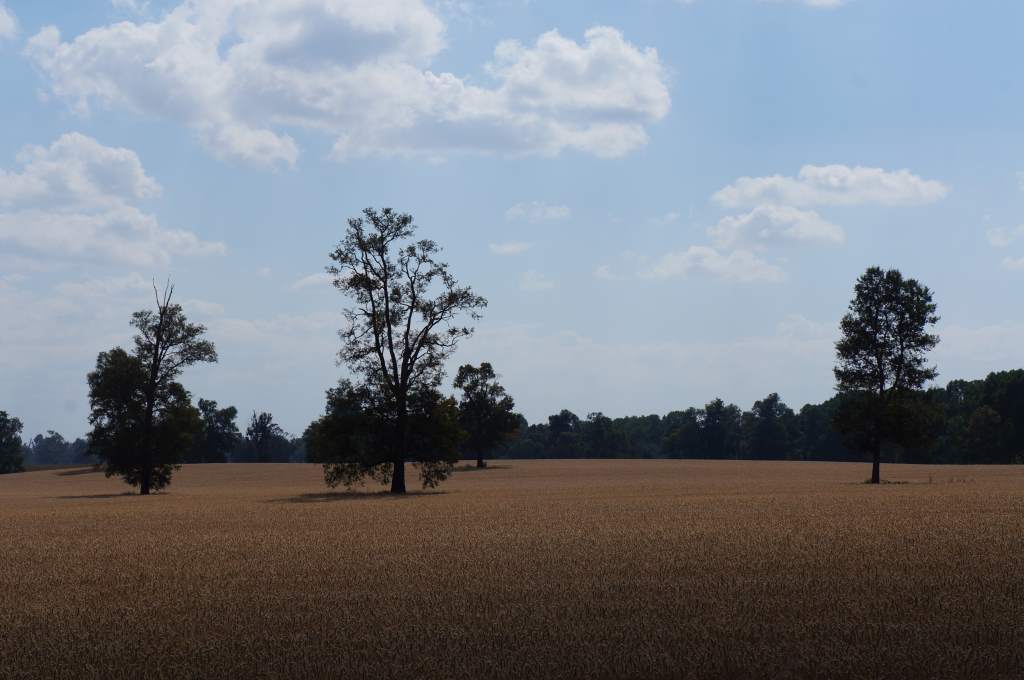
… then suddenly we were in Patagonia.

A Patagonian vista

A Patagonian vista

Last time we wrote we had a shocking announcement: we were going to quit riding south, and instead fly all the way to the bottom and bike back up.  Surprisingly, Cancun marked the halfway point for our trip.  We had ridden 9,220 miles to get there and had about 9,000 and some miles left to go.  After crunching the numbers we realized that we would get to the far south during their spring.  It would be bitterly cold, and the mountain passes would still be snowed in.  As a result, we decided to fly south from Cancun and hit the summer season while riding back north.

Our celebratory "leaving the airport in Southern Patagonia" photograph.

Our celebratory “leaving the airport in Southern Patagonia” photograph.

Now, we are actually in Punta Arenas, the southernmost Chilean city.  We are so happy that we are here in the summer, because even now it is so so cold!  It reached a high of around 50 degrees F today, and that certainly didn’t include the windchill from the 20 mph ‘breeze’ that mostly blew directly in our faces as we rode to town from the airport.  Needless to say, we are glad we packed the extra down coats!

So let me fill you in, just a tiny bit, on what it took to get here from Merida on the Yucatan Peninsula.  We spent three days cranking out 200 flat, boring miles to Cancun.  Highlights from these days were…  finishing a great book on tape, and reaching Cancun.  Once in Cancun we checked into a hostel that was essentially 15 bunk beds in one big room.  Surprisingly, it was very quiet at night and we had a nice time.  We also took the bikes to a local bike shop that packed them up for us in airline-approved cardboard boxes.  It was very worth it for us, considering that it cost less than $15 per bicycle, and that last time we did it ourselves we needed 4 hours to finish the task.

Our view for three days.  You can see how it might get a little dull...

Our view for three days. You can see how it might get a little dull…

A spot of color during out ride to Cancun.  This whole city was painted a brilliant yellow.

A spot of color during out ride to Cancun. This whole city was painted a brilliant yellow.

Celebratory "we made it to Cancun" photograph.

Celebratory “we made it to Cancun” photograph.

We also cut a deal with a taxi guy who had a car big enough to fit the bikes.  He would give us 100 pesos off the fare to the airport if we dealt with him directly and didn’t call the taxi company.  Great!  We made a plan for when he would pick us up.  The next morning we were early for pickup, of course, which made the other taxi guys on our street start to get excited about stealing some business.  We spent an amusing 15 minutes with them as they tried to figure out how they could get 2 bike boxes, 2 big boxes of gear, 4 small bags, and 2 people all into a sedan.  Apparently, the taxis aren’t that expensive if you speak Spanish and can get the drivers into a bidding war! We could have gotten to the airport for 1/3 cheaper than advertised rates. Eventually though, the original driver came and got us in his big car.

In the airport with all the gear packed up.

In the airport with all the gear packed up.

In the US, getting a bicycle on a plane is a huge deal.  When we flew to Alaska we had to pay $400 to get all our gear on with us.  For this trip we were dreading the cost to get them all the way to Patagonia.  To our amazement, however, there was zero cost at all.  The agent at check-in just advised us to put more tape on our boxes to reinforce them, then sent everything down the conveyor belt.  That’s right – no fee for oversized luggage, no extra fees, nothing.  We were in awe.

I drew this whole thing on my personal screen, and Jason didn't even notice!  He was too busy playing Bejeweled2 on his own screen...

I drew this whole thing on my personal screen, and Jason didn’t even notice! He was too busy playing Bejeweled2 on his own screen…

The flight was great too – a massive airplane that was only about 2/3 full.  We each had an interactive screen, they offered us wine, and fed us two meals.  I think I may stop flying domestically in the US and only fly to Argentina and Chile from now on!


Re-assembling the bicycles in the airport: always a minor headache.

Re-assembling the bicycles in the airport: always a minor headache.


We arrived in Punta Arenas around 6 am, and spent the next three hours in a sleep-deprived haze as we re-assembled the bicycles in the airport.  It was with great excitement that we finally opened the doors and rode off into Patagonia.  Immediately we noticed a few things: it was cold, rugged, and windy.  It was also wildflower season, but we were too cold and tired to get our cameras out.  We’ll get some photos for the next post, we promise.

Riding into town, with the strait of Magellan on the left.

Riding into town, with the strait of Magellan on the left.

We have been in Punta Arenas for close to three days, getting prepared for the next leg of the trip.  Patagonia is a frontier land that is over-run with backpackers.  The cities have dozens of hostels, some of which allow camping in the yard.  We wandered the city, visiting museums and walking the waterfront.  

Large and detailed murals are scattered throughout the city.

Large and detailed murals are scattered throughout the city.

Punta Arenas has a lovely (if cold) waterfront.

Punta Arenas has a lovely (if cold) waterfront.

This is Pelusa, one of the hostel dogs.

This is Pelusa, one of the hostel dogs.

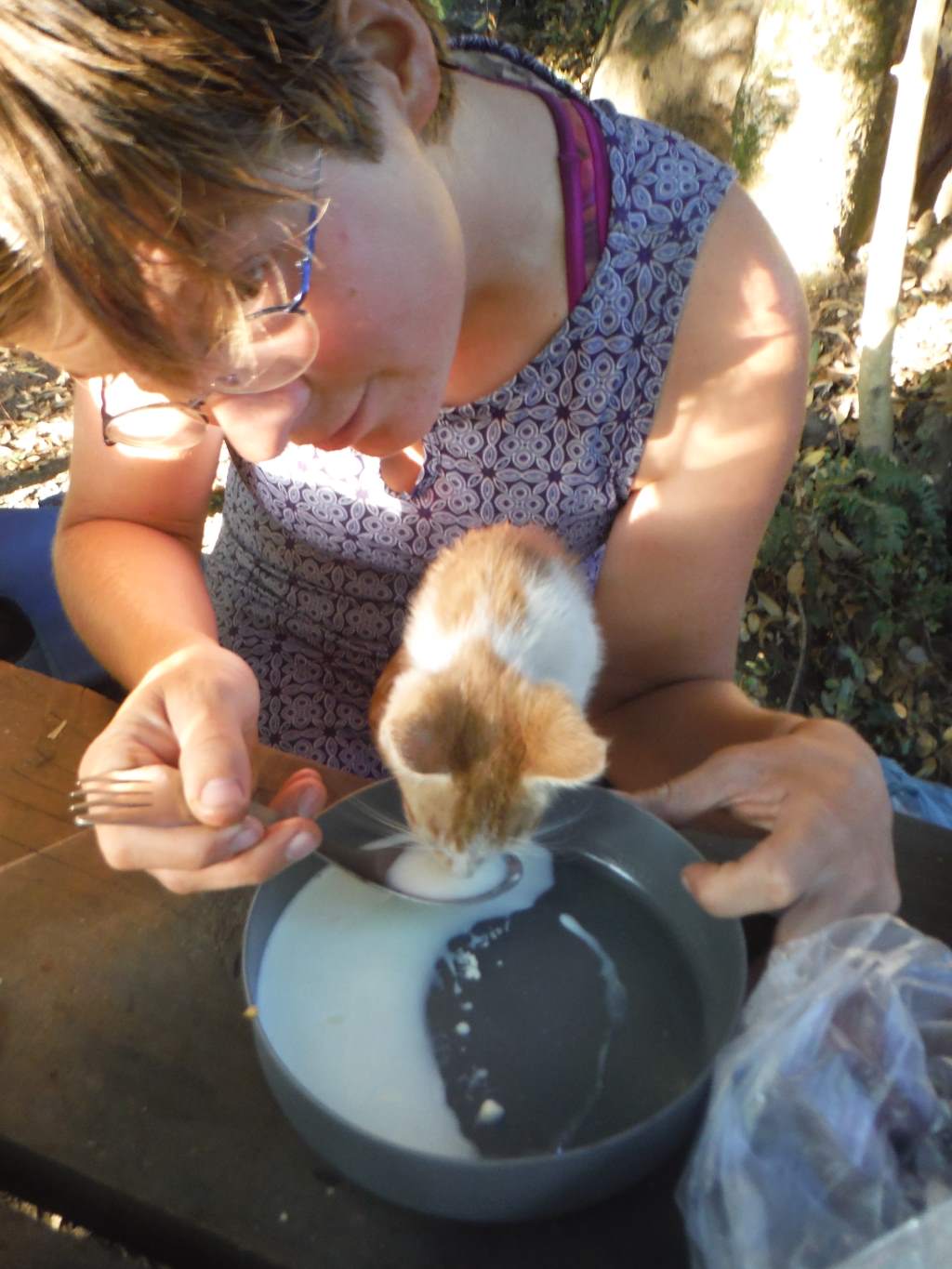
This is the first cat that has befriended us on this trip!

This is the first cat that has befriended us on this trip!

The mail is delivered by bicycle.  Now we really love this city.

The mail is delivered by bicycle. Now we really love this city.

Some cormorants clustered on the beach downtown.

Some cormorants clustered on the beach downtown.

We also took an afternoon tour one day to see a penguin colony.  The penguins were adorable, and we decided they were worth the scary trip on dirt roads in a van driven by  crazy man.  

The first penguin we saw.

The first penguin we saw.

These little penguins waddled all the way across the field in a line.

These little penguins waddled all the way across the field in a line.

Jason walking in the penguin reserve.  You can't see the vicious wind, but it was there.

Jason walking in the penguin reserve. You can’t see the vicious wind, but it was there.

This is where the penguins live.  What a life.

This is where the penguins live. What a life.

Next we will ride North, mostly in Chile but also dipping a bit into Argentina.  The roads are quite isolated here, and Wifi hard to come by, so don’t be worried if the next update is slow coming.

Rest days in Merida and introducing… The Philtrons Pedal North!

We spent 8 wonderful days in Merida with Daisy’s parents, and had the full Mexican experience with them.  Highlights include Mayan ruins, a horse-drawn tour of underground swimming holes, a broken down rental car, potential tourist scams, and a diagnosis of intestinal parasites.  It is hard to believe we fit so much into such a short time!

The whole crew in Izamal: the yellow city.

The whole crew in Izamal: the yellow city.

Our first day here we went to pick up the rental car that we had reserved online months ago.  However, we learned that reservations of cars are ‘subject to availability at time of pick-up’.  Um… what?!  This means that your reservation is more or less a joke, and in our case it was really a joke.  There was no car for us!  We had to come back the next day, wait for over an hour, and finally got a teeny -tiny car for a much higher rate than we expected.  Oh well, we were so happy just to have a car.  Booking tours for four people is pricey, and having the car meant freedom to plan our own itinerary for tourist sites.

The ruins near Merida were small but fun.

The ruins near Merida were small but fun.

The ruins even had a cenote that we could swim in!  The heads in the foreground are ours...

The ruins even had a cenote that we could swim in! The heads in the foreground are ours…

The first order of business was Mayan ruins.  We visited two sites in the vicinity of Merida.  The first was smaller, but really fun because it included a dip in a cenote.  These are very deep freshwater pools that provided water for the Mayans and often ended up preserving many artifacts that helped archaeologists learn about their culture.

The second ruin we visited was Uxmal, a once-great city that is still beautiful.  The carvings were exquisite on all the buildings, and there weren’t too many tourists to clutter up our photos (hee hee).  We saw lots of iguanas lazing about in the sun, and even found some bats that had set up shop in the ruins.

DSCN0089

Selfie at Uxmal

Selfie at Uxmal

The carvings at Uxmal were exquisite

The carvings at Uxmal were exquisite

Our favorite tourist activity was a visit to three famous cenotes.  The locals have set up a unique way to access them: horse-drawn rail car.  We had to visit twice, since the first time we arrived in the afternoon and they had run out of horses to tow the rail cars about.  The next day we arrived early and were among the first to set out.  It was quite an adventure!  The rail car seemed to be held together with a combination of metal wire and grease, and the horse bounced us up and down and all around.  We even had to walk a section of the route since someone had inexplicably stolen some of the railroad.

Our horse and driver.

Our horse and driver.

Pushing the cart where there were no rails.

Pushing the cart where there were no rails.

Access to the first cenote.  There is a tiny hole at the base of the tree.

Access to the first cenote. There is a tiny hole at the base of the tree.

The cenotes themselves were incredible.  The first one was accessed through a tiny hole in the ground and a ladder made of re-purposed railroad ties.  Once down the hole we found ourselves in a cave packed with stalactites and stalagmites.  We descended to the water using a single rope to keep from falling, and the way was illuminated by our guide’s single flashlight.  We lowered ourselves into the water and swam through the cave.  It became pitch black when our guide moved his light elsewhere, and we had to find our way around by touch.  It was incredible!

In the cave cenote.

In the cave cenote.

A more typical cenote: streaming sunlight, clear water, reaching tree roots.

A more typical cenote: streaming sunlight, clear water, reaching tree roots.

The other cenotes we visited were a little more stereotypical: crystal clear water in underground caves with rays of light streaming in from above.  Tree roots descended from the ceiling in search of water, and we loved swimming in the cool depths.  This is absolutely a tour we would reccommend, but not for the faint of heart!  It was kind of scary getting into and out of the cenotes, but well worth it.

Panic time: rental car breakdown.

Panic time: rental car breakdown.

On the way back from the cenote tour we had another experience: rental car break down.  We were driving on the highway when the engine just stopped working.  I was incredulous, but luckily managed to coast to the shoulder and put on the blinkers.  We were able to call the rental car company and they sent out a tow truck and a replacement vehicle within two hours, which was actually very nice.  The whole family just relaxed and read our books, so it was really pretty similar to a siesta!

This was where we spent the afternoon.

This was where we spent the afternoon.


Child seat Mexican style.

Child seat Mexican style.

A few of the eight days were spent lounging and doing chores.  While in Merida we took care of a lot of chores that we’ve been putting off for a long time.  This means that we changed our bicycle chains, sterilized our water bottles (they all had some green growth at the bottom), and rotated our tires. We also managed to re-pack and get some new gear for cold weather (more on that below!)

We all went out to lunch a few times, with variable results.  See photo below!

We all went out to lunch a few times, with variable results. See photo below!

Jason and I ordered this: Relleno Negro.  It is burned chile soup with turkey and really not that delicious.

Jason and I ordered this: Relleno Negro. It is burned chile soup with turkey and really not that delicious.

Also in the good news department – I think we’ve finally got my ongoing stomach problems figured out.  I got myself to a doctor, and got prescribed a round of antibiotics and anti-parasitics.  Apparently folks in Mexico just de-parasite themselves every 6 months because they are so common here.  I really hope the medicine works, since I am super sick of having stomach problems on bike tour!

Now, finally, the big news…

The Philtrons Pedal South is becoming The Philtrons Pedal North.  Once we reach Cancun on January 11 we will fly (in an airplane) to the southern tip of Chile, and then we will ride north again all the way back to Cancun.  We agonized over this decision, but in the end I think we will be very happy with it.  Yes, it will break up the continuity of the trip and probably throw you readers for a loop, but we have good reasons!

There are roads in southern Chile that pass through incredible mountain scenery, complete with ferry rides, gravel, glaciers, and more.  We have dreaming about these roads for years.  The problem is that they are only accessible in the Chilean summer: January through March.  If we rode our entire route North to South we would arrive far too early in the season to ride them… The solution?  Ride the second half backwards!  This also helps with other timing (like getting back to work, someday), and lets us avoid the problem areas of Central America until the end of the trip.  In this way, we can get rid of everything valuable before entering areas where we are more likely to be robbed.

So, we hope you’ll keep following our adventures despite the sudden discontinuity!  We’ll re-visit this decision in a couple more posts, for those folks that miss this one.  We are super excited for this next leg to begin.