Category Archives: attractions

Not spinning our wheels

We made it to the mainland!

Between Porvenir and Punta Arenas we’ve had a series of rest days where we have been waiting for a good weather window while getting a few chores done. We also had the pleasure of a penguin tour! After almost a week of not riding we are getting antsy. And by we I mean Daisy and Jason, not A and H. They seem perfectly happy to spend the day playing video games without a care in the world.
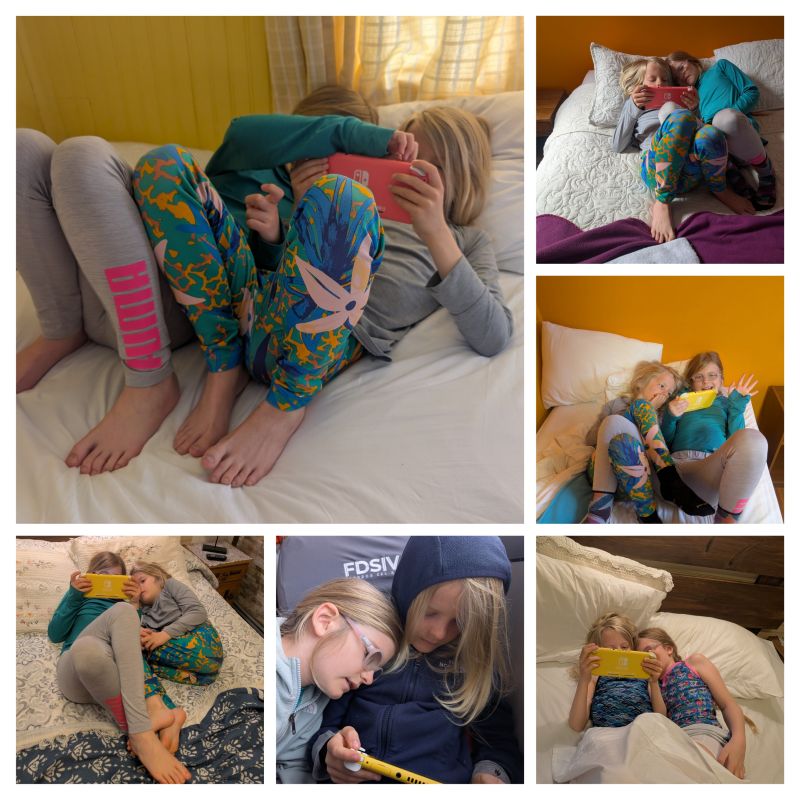
Examples of A + H free time over the past week

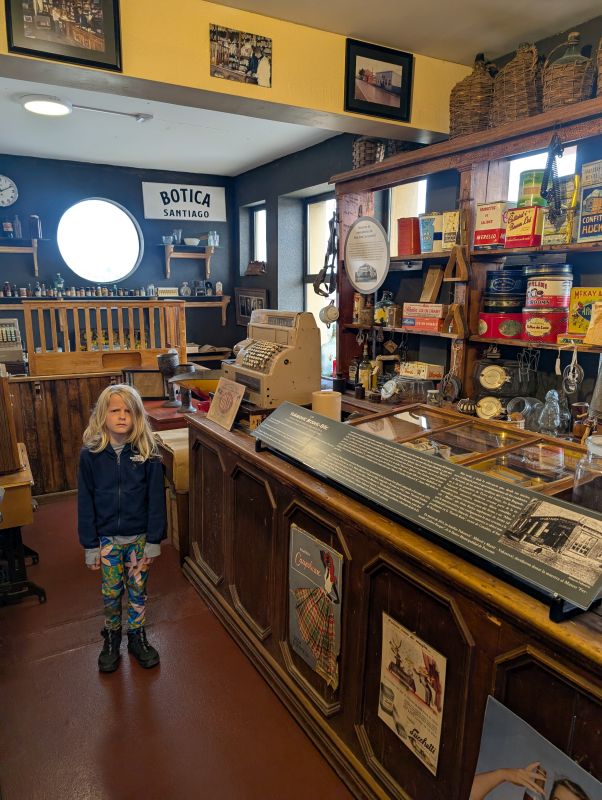
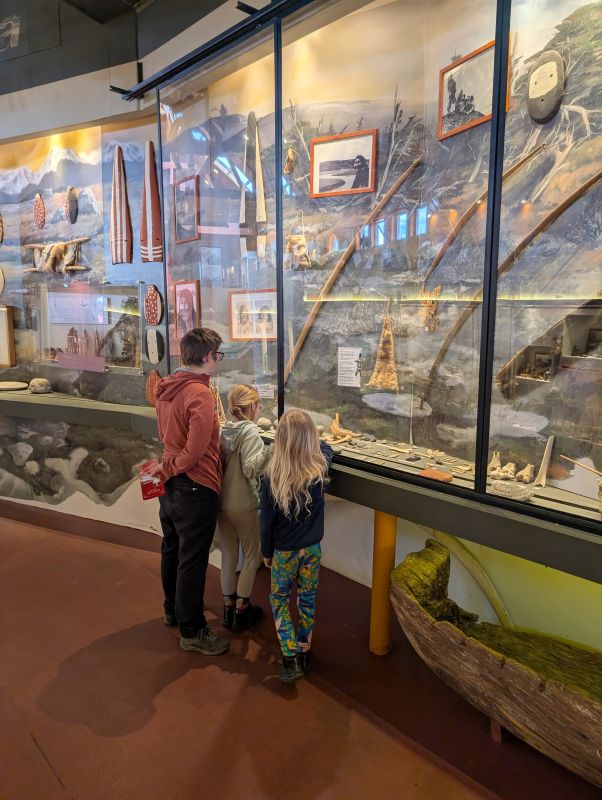
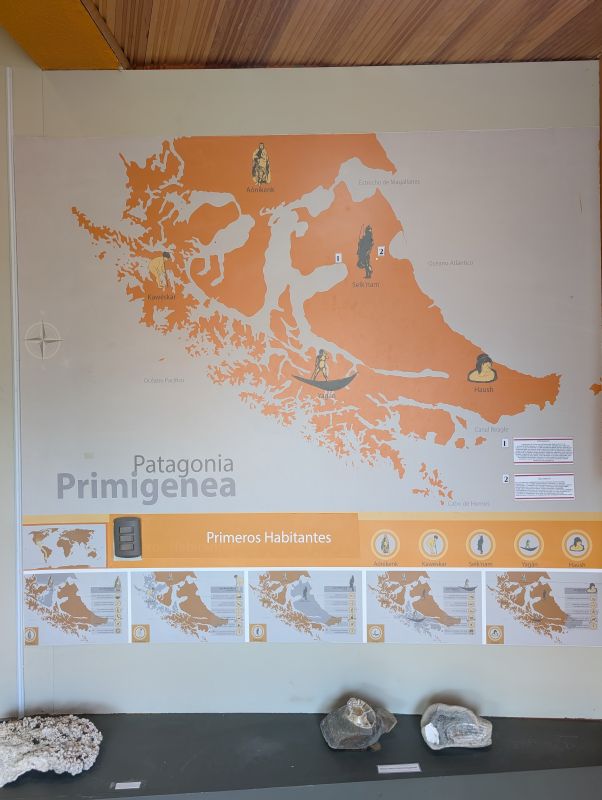
We spent four nights in Porvenir, which we found to be a charming small town. Everyone seems to pass right by on their way to points further south (or north) and at most spends a quick meal or a single night here. We enjoyed eating at a local restaurant for lunch and having sandwiches for dinner. We visited the town museum and learned about some of the local history – from the four main tribes of native folks (who were sadly all killed or died of disease), to a local gold rush in the 1880s.
On our way out of town we took a quick detour to the Laguna de Los Cisnes Natural Monument. Once there we saw fossilized stromatolites. These are mounds of crusty cyanobacteria that represent an ancient life form from early in Earth’s history, billions of years ago. They are distinct mounds made of layers of bacteria that produced oxygen. Many looked like misshapen doughnuts, and broken spots showed holes inside the ‘dough.’ It is an amazing piece of living history which is only found in a few places on Earth. However, all that amazing information and understanding came from the internet, as there was not a single informational sign or label at the lake – simply a wooden boardwalk.
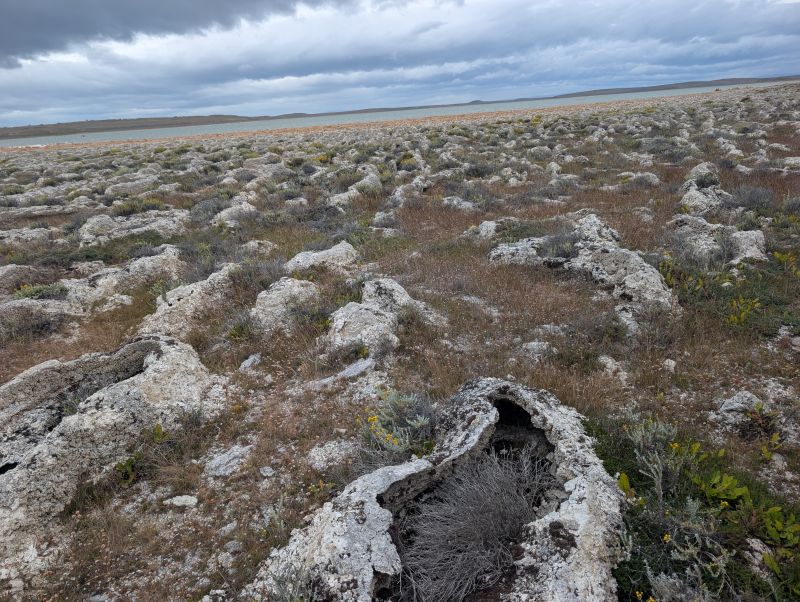
Fossilized stromatolite mounds at Laguna de Los Cisnes

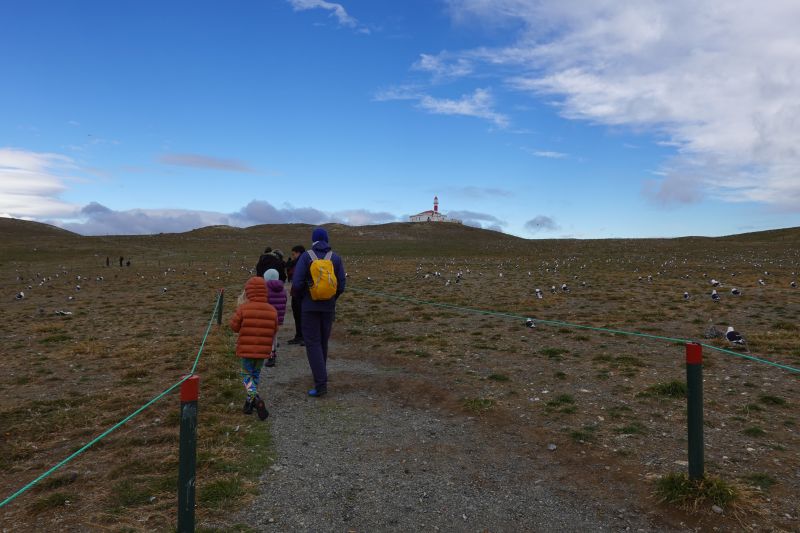
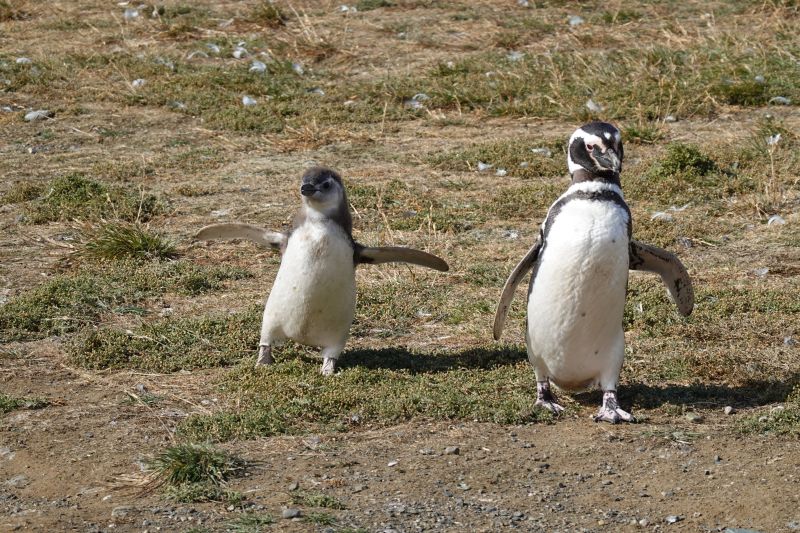
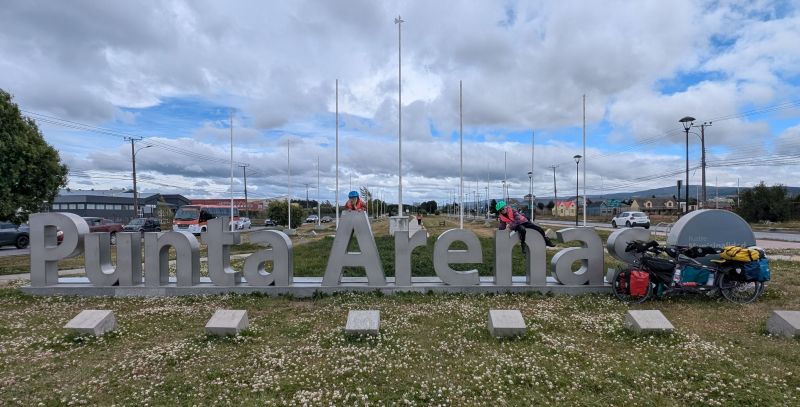
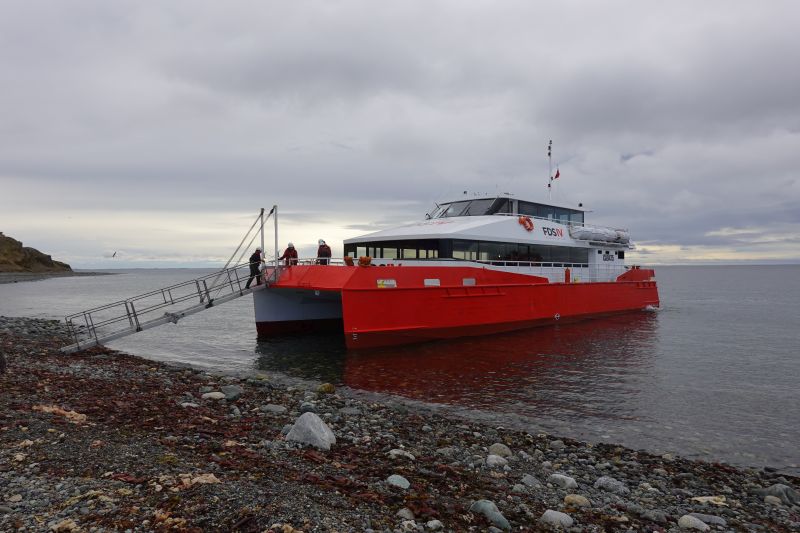
We felt a real sense of accomplishment on the ferry, as we left Tierra del Fuego and crossed the Strait of Magellan. We arrived in Punta Arenas almost exactly 11 years after our first visit, which was the beginning of our Philtrons Pedal North journey to Colombia. Last time we were here we took a bus ride to see penguins, but those penguins no longer visit that area. This time we took a boat tour to Isla Magdalena to see a larger colony of Magellanic Penguins. We were lucky that it was not a windy day and the water was calm. However, that didn’t stop first A and then H from vomiting during the 80 minute ride to the island. Luckily they felt better afterward and were ready to do the 1-hour walk on the island.
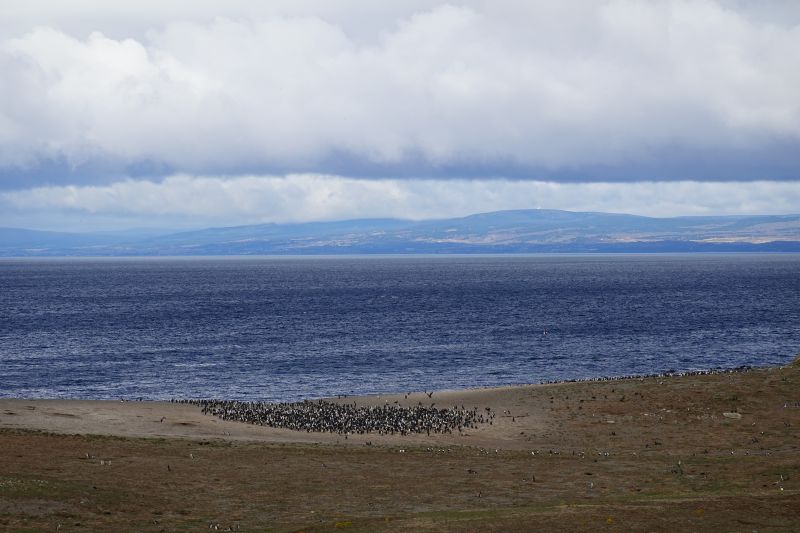
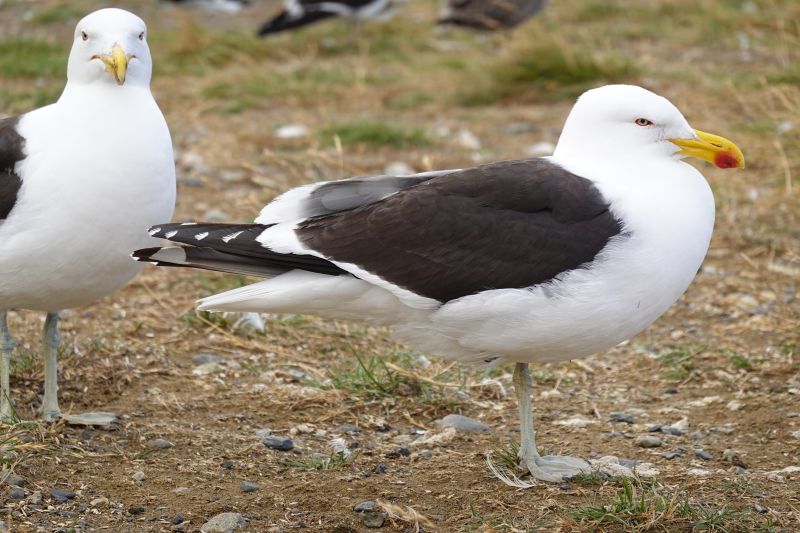
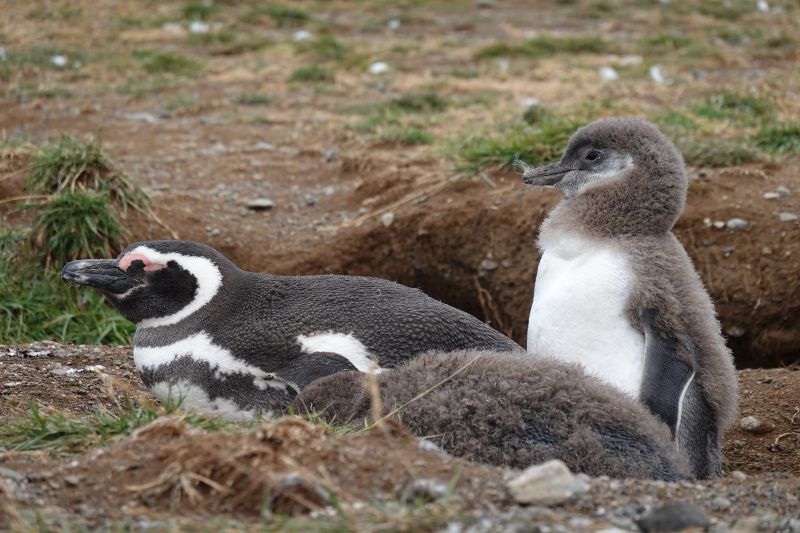
We walked past hundreds, or thousands, of penguins, and enjoyed seeing them walk, swim, sunbathe, and honk their heads off. I noticed that some of the chicks were quite plump by this point – and looked larger than their parents! Human visitors are required to remain 2 meters back from the penguins. The penguins had no fear or qualms about walking towards or between us visitors, resulting in us having to stop and move backwards to get out of the way and give them space. The penguin population on the island is estimated at 60,000 breeding pairs. There are also (way too) many Kelp Gulls on the island, which produced additional noise and, well, bird poop.

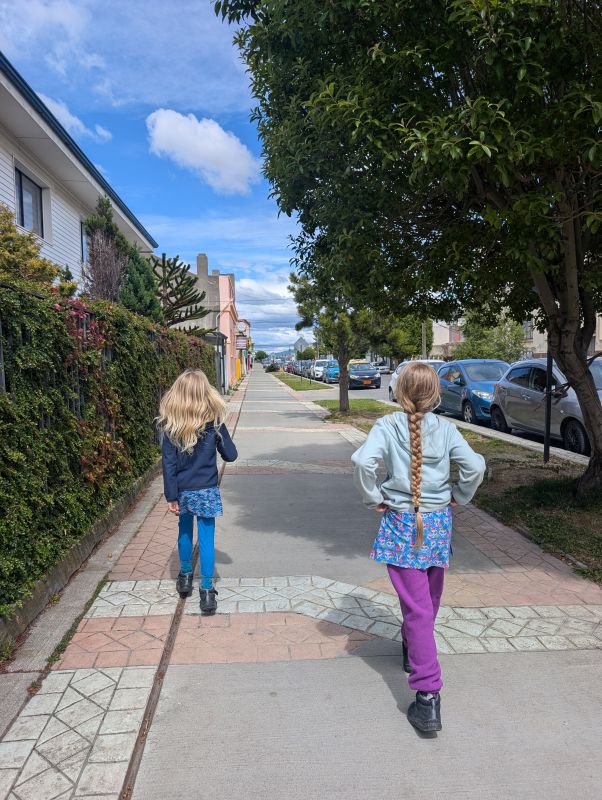
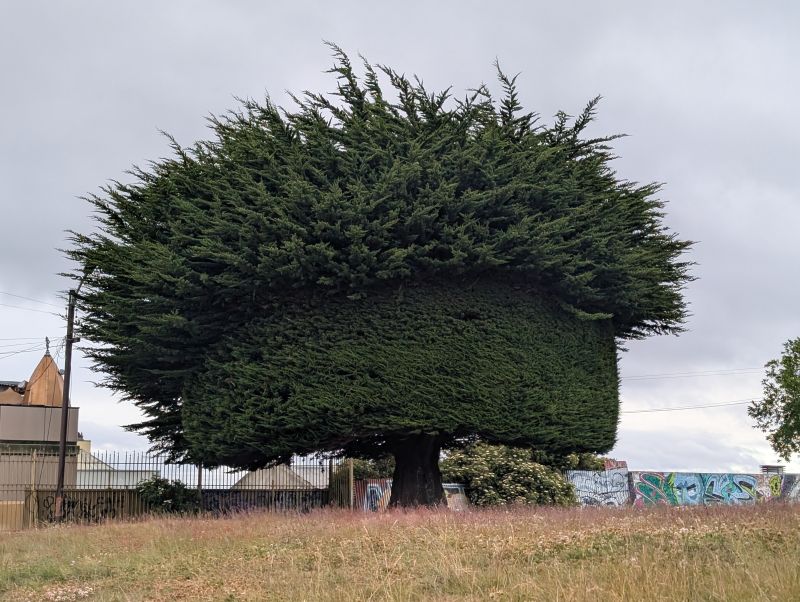
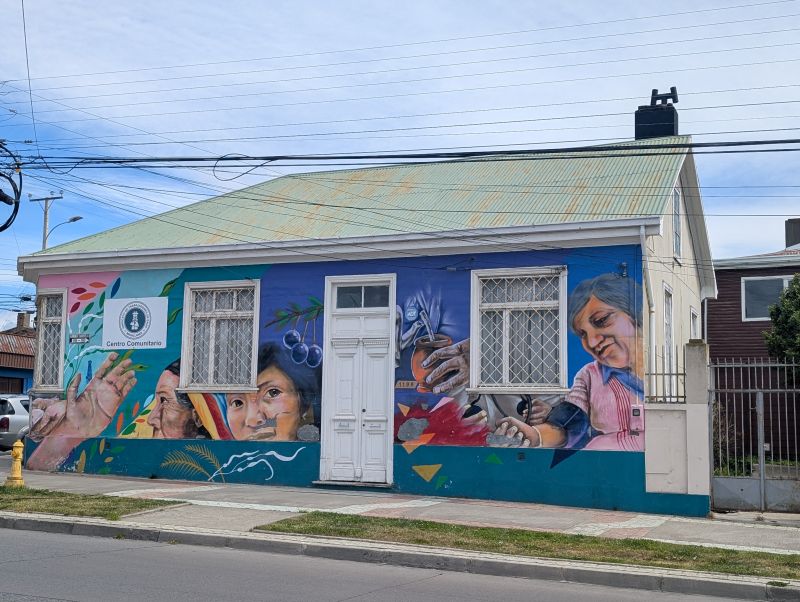
Walking through a town is always an adventure and Punta Arenas is no exception. Within a block from our small apartment we can walk past an abandoned lot/building, a small convenience store, a hostel, and a fancy house that looks like it could be from Boulder, CO. The Plaza de Armas has these amazing, large trees. They are the same kind that we’ve occasionally seen out in the countryside in a very wind-swept form. In this case they have grown up strong and wide with the wind protection afforded by the buildings. A bunch of the parks also have what we’ve been calling “gumdrop trees.” We got a good laugh at how some of them have bad hair-cuts.
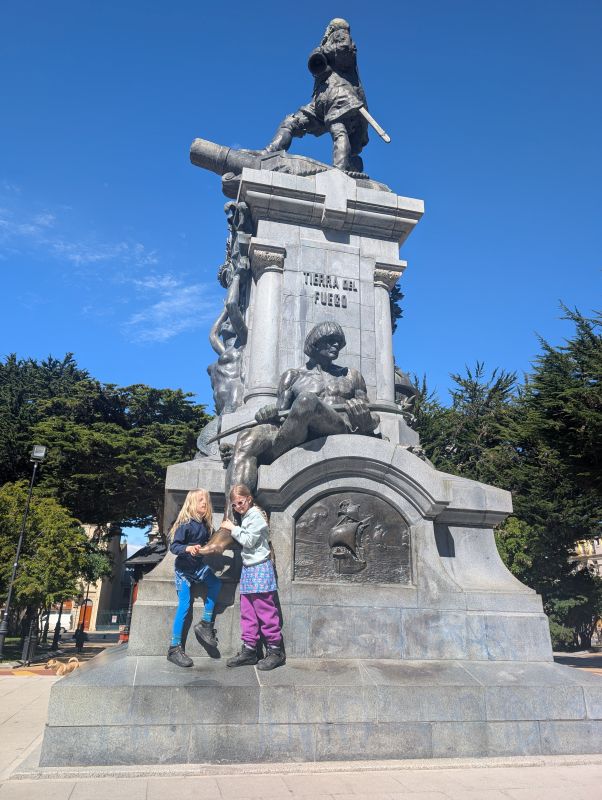
We are excited to get back on the road heading north! I wonder how much of the route ahead will evoke memories from a decade ago.
Ushuaia: the end of the world

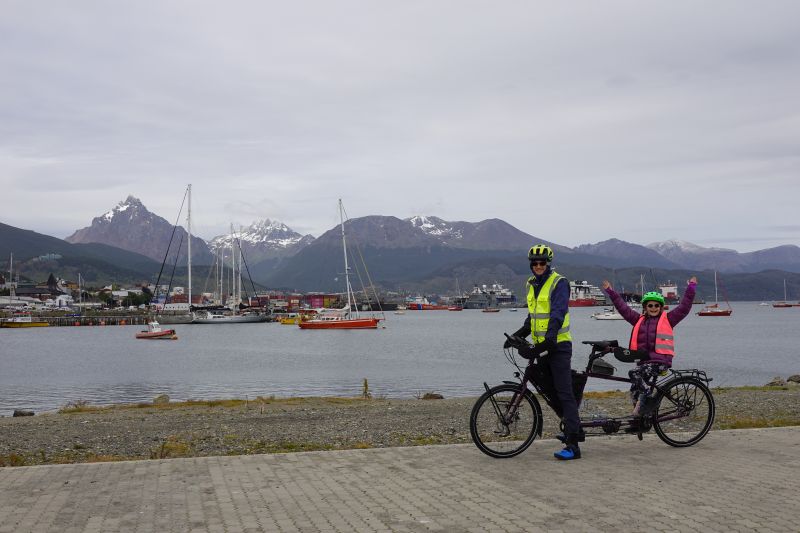
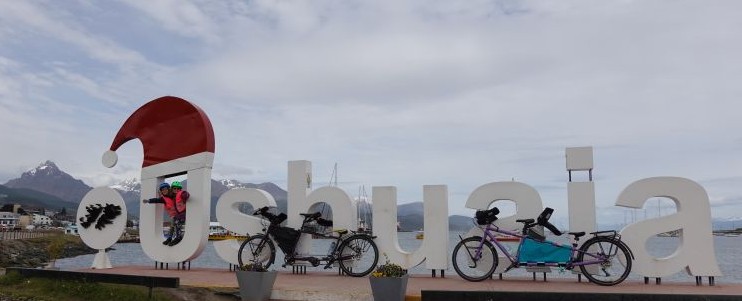
The city of Ushuaia is the southernmost city in the world. It has captured the imaginations of explorers for decades, and we are no exceptions. I (Daisy) have been dreaming of this place for many years. To actually be here, preparing to embark on our next big cycling adventure, is a dream come true.

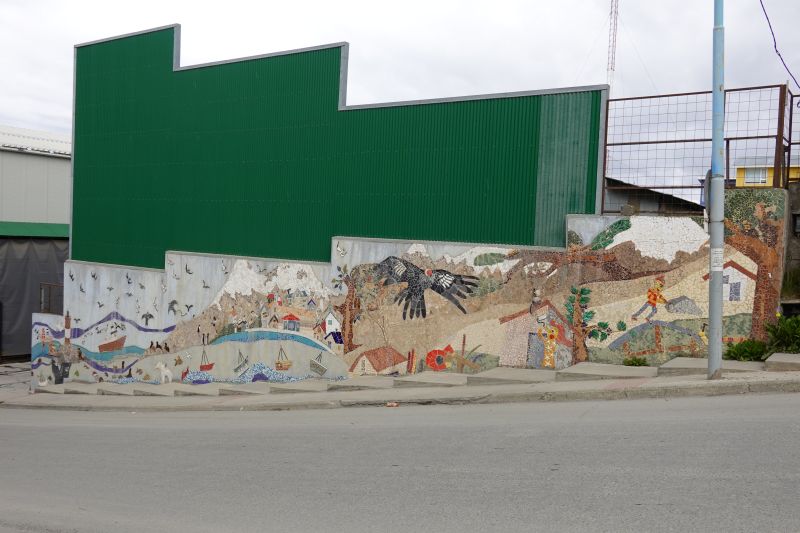
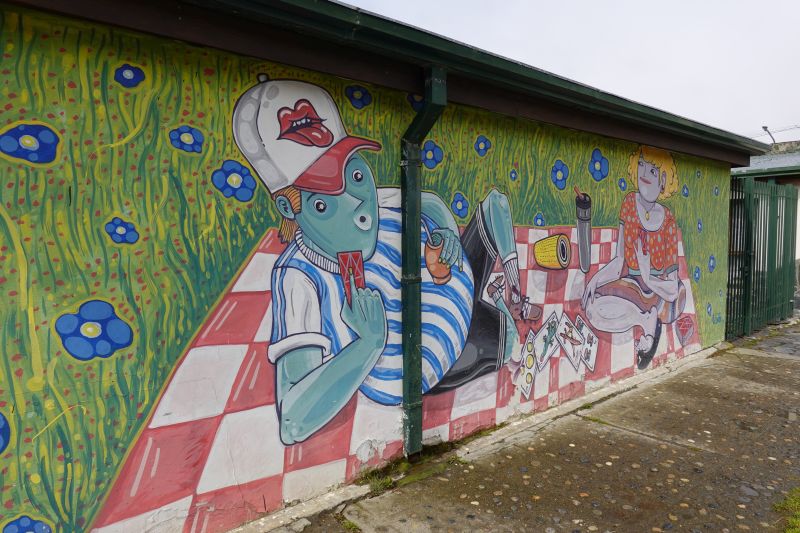
Total travel time to get here from our door was about 26 hours. Miraculously, every bag and every bike box arrived undamaged. We spent our first day wandering the town and putting the bicycles together. Ushuaia is cold, windy, wet and full of art.

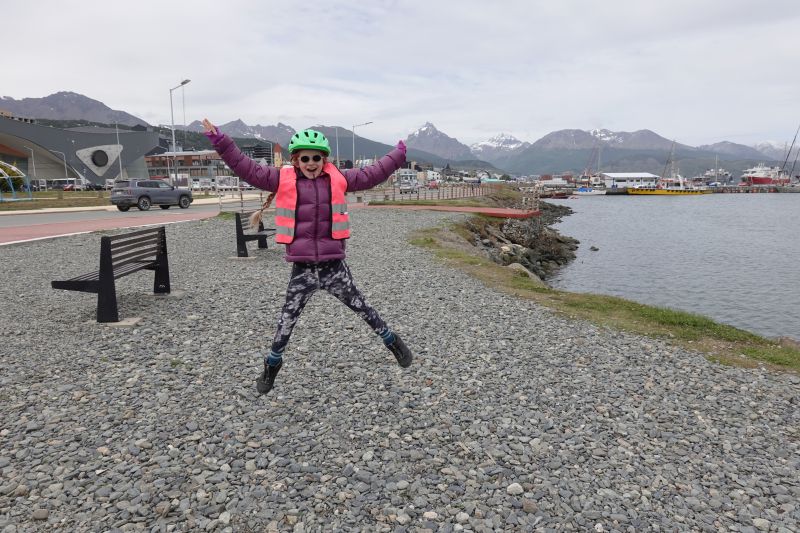
The city is perched on the edge of the Beagle Channel, surrounded by mountains. It was so dreary we didn’t see them until the fourth day, but they are stunning!

We discovered that both girls love empanadas and most particularly they love “submarinos,” which is the local approach to hot chocolate. To make one you start with steaming hot milk, then melt in a big chunk of dark chocolate before drinking it all down!

I learned the hard way that to buy groceries with a credit card you must show your passport here. Alice and I headed to the store with just a credit card and a few US dollars. At check out I was shocked when they asked for my passport! I tried to pay with the dollars, but they were all too ragged to be accepted. After a long back and forth, I learned that a *photo* of my passport would be good enough and luckily I had one! It was quite a scene.

Here are a few more photos of our time here. Tomorrow we start our journey on bicycles!

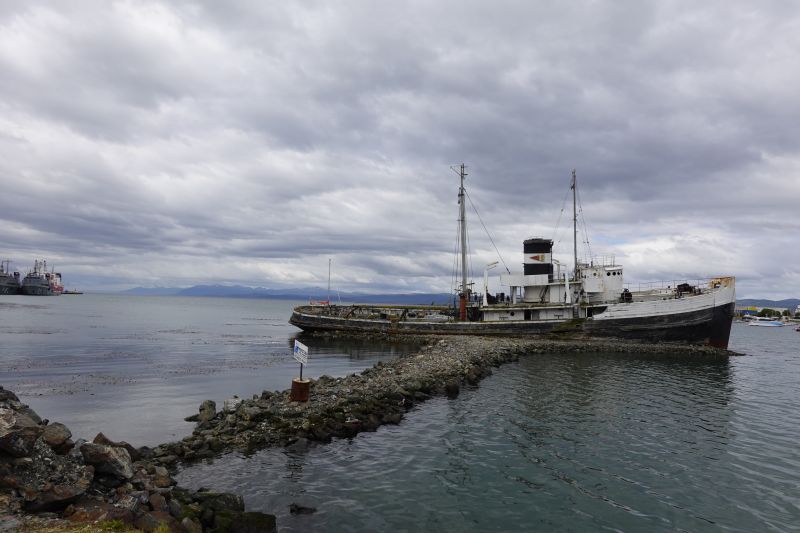
The St. Christopher shipwreck. Apparently this ship was assisting another in 1957 and ended up stuck ever since.
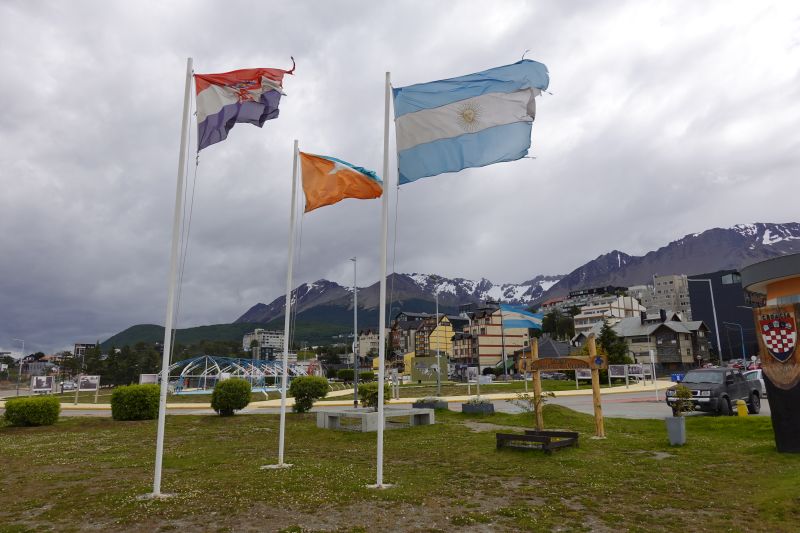
The wind is famous here and the huge flags were almost always flapping
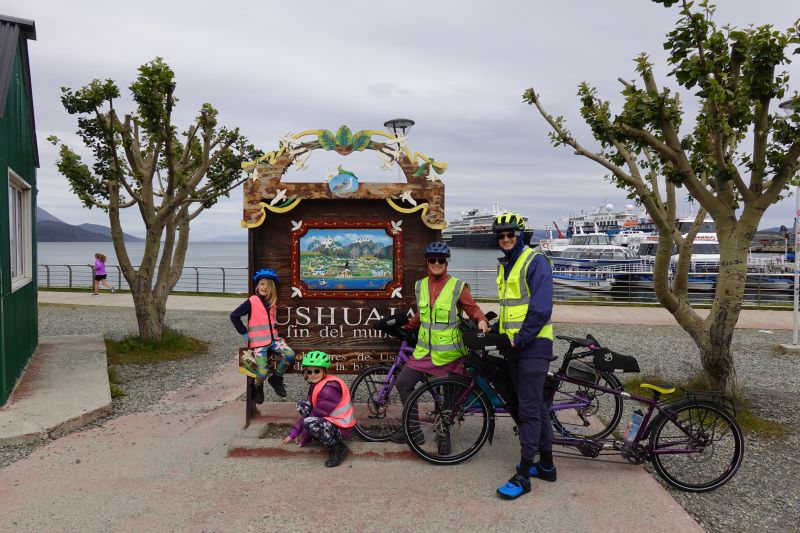
This ‘end of the world’ sign is an iconic destination for cyclists
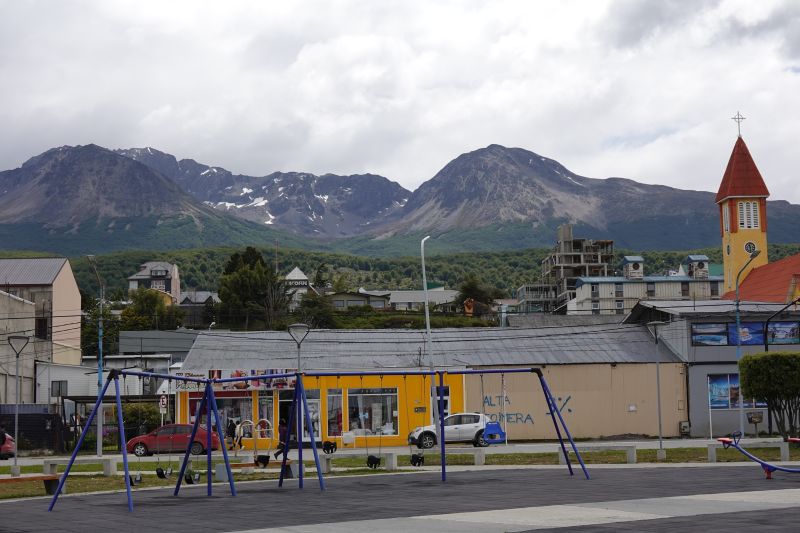
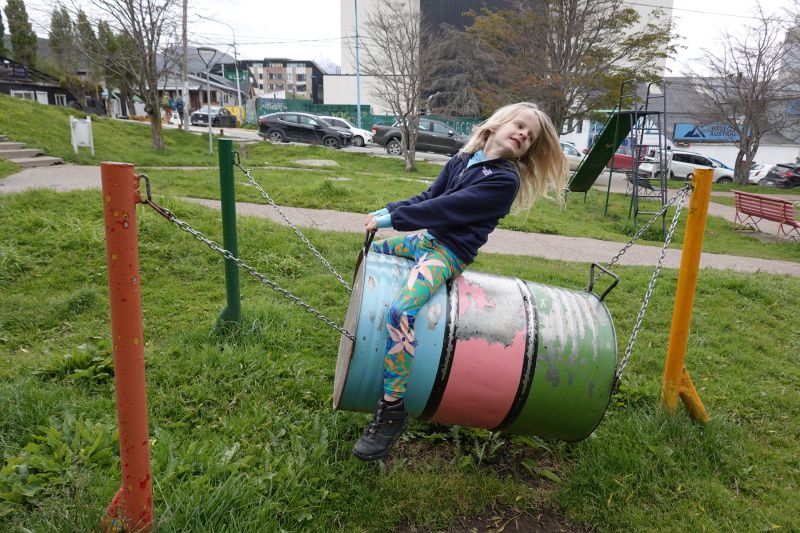
…and of course we found the playgrounds. This one had some particularly cool swings.

We found the coffee! Popayan to Salento.

Aug21_030

This post only covers four days of adventuring, but they were so packed with fun and pictures that we decided to post about them.  Last time we updated, we were taking an extra day in Popayan while our bicycles’ wheels got rebuilt with new rims.  I am happy to report that the repair job was both top notch and incredibly cheap.  The mechanic only charged us $2 in labor for each wheel, if you can believe it.  We insisted on paying him more, which I think truly surprised him!

The mechanic who rebuilt our wheels on very short notice.

The mechanic who rebuilt our wheels on very short notice.

Three guys on one moto, and crazy passing truck.

Three guys on one moto, and crazy passing truck.

It was mostly downhill after Popayan, and we descended into the steaming heart of sugar cane country.  The fields went on and on as far as we could see.  To move the harvested sugar cane, absolutely massive trucks called ‘sugar cane trains’ drove along the straight highway.  These trucks were towing up to 5 massive trailers, and some had 54 or even 58 wheels!  It was very hot in the valley, over 90 degrees, but it was so flat that we made excellent time.  The town we stayed in was a lively, tropical town full of juice stalls and motorcycles.

Riding through the sugar cane.

Riding through the sugar cane.

Sugar cane train!

Sugar cane train!

Thank goodness for the fan in this room - it is hot down here in the lowlands!

Thank goodness for the fan in this room – it is hot down here in the lowlands!

Our second day out was almost completely flat.  As you can guess, it was also hot, and pretty dang boring.  Oh, and I got two flat tires before 10 am.  Enough said.

Cane trains and motorcycles

Cane trains and motorcycles

The flats went on and on...

The flats went on and on…

Small town church.

Small town church.

The hills begin again.

The hills begin again.

We finally left the valley on our third day and headed into the hills straight away.  It was lovely, with all sorts of tropical plants and fruit stands.  We navigated a couple of hectic, dense cities and finally emerged into the coffee zone.  That’s right – the coffee zone!  They actually call it the ‘coffee axis’, but I think that sounds a bit strange in English.

Pineapple farm in the hills.

Pineapple farm in the hills.

Fruit stands all along the road.

Fruit stands all along the road.

Jason happy in a central plaza

Jason happy in a central plaza

The cities are very dense with many high-rise apartment buildings

The cities are very dense with many high-rise apartment buildings

A very friendly day rider

A very friendly day rider

We found a sweet dog!

We found a sweet dog!

This coffee farm dog looked more like a polar bear than a dog.

This coffee farm dog looked more like a polar bear than a dog.


We arrived in the tourist town of Salento at 2:30, and quickly found a room and jumped on a coffee tour at a nearby farm.  It was a fantastic tour!  We got to learn about coffee plants, berries, harvest, and preparation. This coffee production thing is a lot more complicated than I ever thought.

Seedlings in sand.

Seedlings in sand.

The coffee plants are sprouted in sand for four months, then they are transplanted to little bags of compost.  After about a year they are about 16 inches tall, when they are planted in the field. After five years they start to produce berries, and will continue to do so for about 60 years.  That is a long time!  Coffee berries then have to be de-pulped, soaked for 24 hours, rinsed, dried, peeled, and finally roasted.  We got to go through the whole process with our guide, including grinding, roasting, and drinking.

Seedling in compost (we planted this one!)

Seedling in compost (we planted this one!)

One year old seedlings

One year old seedlings

Coffee flower and berries

Coffee flower and berries

Taking the berry pulp off the coffee beans.

Taking the berry pulp off the coffee beans.

Drying the coffee

Drying the coffee

Roasting the coffee

Roasting the coffee


Even though the coffee part was great, Jason and I both agreed that our favorite part of the tour was seeing the other plants on the farm: pineapple, bamboo, banana, and other crazy fruits that don’t have names in English.

Pineapple starting to grow.

Pineapple starting to grow.

Bamboo.

Bamboo.

Crazy tangy fruit we'd never tried.

Crazy tangy fruit we’d never tried.

The next day we got up early to take a tourist jeep to a nearby valley for a hike.  We got there so early, in fact, that no one else was there and we had to wait for the first jeep. Our hike up the well-known Valley of Cocora was absolutely lovely.  We walked through fields, then cloud forest, and across many bridges.  There was a hummingbird house at the end of the trail where we sipped hot chocolates and dozens of them buzz around the feeders.

Aug21_007

Our Jeep was full with 7 passengers in the main section, plus another 5 that had the pleasure of standing on the rear bumper and holding on!

A local dog walked along with us

A local dog walked along with us

This massive horse had quite a load of milk!

This massive horse had quite a load of milk!

Aug21_012

Entering the cloud forest

Aug21_011

There were several bridges of questionable stability

There were several bridges of questionable stability

Hummingbirds!

Hummingbirds!

Aug21_022 Aug21_023

On our way back down (via a different route) we got to walk through a grove of wax palms.  These are super tall palm trees that only grow in very specific, high-altitude conditions.

Aug21_031 Aug21_037

We made it back to our room in Salento around 2 pm, and immediately fell asleep.  Going straight from cycle-tourist to regular tourist is exhausting!

Salento's streets are very colorful. The town was another case of "Gringolandia."

Salento’s streets are very colorful. The town was another case of “Gringolandia.”

Aug21_002

Ecuadorian highlands: Cuenca to Quito

16,000 miles in the shadow of Volcan Chimborazo

16,000 miles in the shadow of Volcan Chimborazo

famblog_cuenca_quito
I am happy to report that our days of torrential rain in Ecuador are behind us. Since we last updated, we spent a mostly restful day in Cuenca, five challenging days of riding on the PanAmerican highway, and two fun (but not very restful) days in Quito. We have been able to do longer days without the rain and mudslides, but our constant companions, wind and mountains, are still with us. First, some pictures from our lovely day in Cuenca. Everything was closed because it was a Sunday (yet again!!), but we still did a good deal of wandering.

Aug2_016

Aug2_015

Aug2_004

Leaving Cuenca was surprisingly easy. We flew downhill on a huge highway, taking up a whole lane. Other cyclists had told us that the PanAmerican in this stretch was pretty rough trafficwise, but we found it to be just fine. All the vehicles gave us plenty of space. The best part of the day was lunch – pizza! Our last night in Cuenca we bought two large pizzas, and we carried one of them down the highway and ate it for lunch. Deelish!

Aug3_003

Aug3_007

Aug3_011
That day we made it even farther than we expected, and we ended up in the tiny crossroads town of Zhud. It turns out that there is nothing in Zhud except a long line of stalls selling fried pork with corn and potato dumplings. There are no hotels, nothing. We ended up camping at the local covered football field after watching the local kids play until sunset. It seemed like a great place… then the wind picked up.

All night long the wind blew and blew. The tin roof over the field was breaking. It banged against the rafters continuously, and chunks of it ocassionally were fell off and were blown across the concrete field below. In short – there was very little rest for us!

The supposedly very busy Panamerican highway became a barely trafficked two lane road that wove up and down along the Ecuadorian Andes. We had two days of fantastic riding under blue skies. We spent a night in a town that runs on train tourism.

Aug4_004

Aug4_017

Downtown Alausi

Aug4_019

We also decided to take a dirt road shortcut to avoid a major city (and a major climb!). This shortcut was actually very pleasant, and even included some bonus pavement. That night we slept in the only hotel in the city of San Andres. It was a very fancy place! Strangely, there was not a single restaurant in the entire city (we asked multiple people), so we ended up making soup on the roof with our camp stove.

Aug5_008

Aug5_012

Aug5_014

Our last night before Quito we spent in the city of Latacunga with a host family. This was our first time using Warmshowers in all of South America! We spent a nice evening with them chatting about how Ecuador has changed in the last decade. They told us that in the past year the polic installed many traffic cameras along the highways to enforce speed limits. Apparently one city to the south has made $2.6 million in tickets over the last 6 months alone!

The last day of riding into Quito was all along a busy two or three lane highway, but we rode safely and made it without any close calls. It was a surprisingly simple entrance to a massive city. Our friend Tarik, who we first met before we were even a couple, is living in Quito right now and offered to host us for a couple of nights. We found his place and were welcomed by his girlfriend, Zora.

Aug6_005

There were several great volcanoes along the route

Aug7_001

Aug7_002

Ridiculous $5 (each) breakfast

Aug7_006

Aug7_008

We’re wearing normal-people clothes, ah! (Laundry time)

We spent three nights and two days with them, and had a blast chatting, eating, and seeing Quito. We went to old town, climbed up a church tower, saw an outdoor concert, rode in a cable car, and hiked up a volcano. We also made granola, ate their delicious cooking, and used their fast internet to find an apartment in State College for when we return. In all, it was an action-packed weekend for us! Thank you, Tarik and Zora, for being excellent hosts. You really tired us out though!

Aug8_9_003

A delicious ‘tortilla’. Those are some Washington State apples the background, by the way.

Aug8_9_005

Aug8_9_010

Aug8_9_014

Aug8_9_023

Looking down to Quito

Aug8_9_025

In our next update (sorry we got a bit behind): visiting an Ecuadorian market town, a dire mechanical problem, and entering our final country.